Tutankhamun: The Boy King and Carter's Famous Discovery
Discover Tutankhamun, Egypt's boy king: his short life, his intact tomb, the golden mask, and Howard Carter's astonishing 1922 discovery in the Valley.
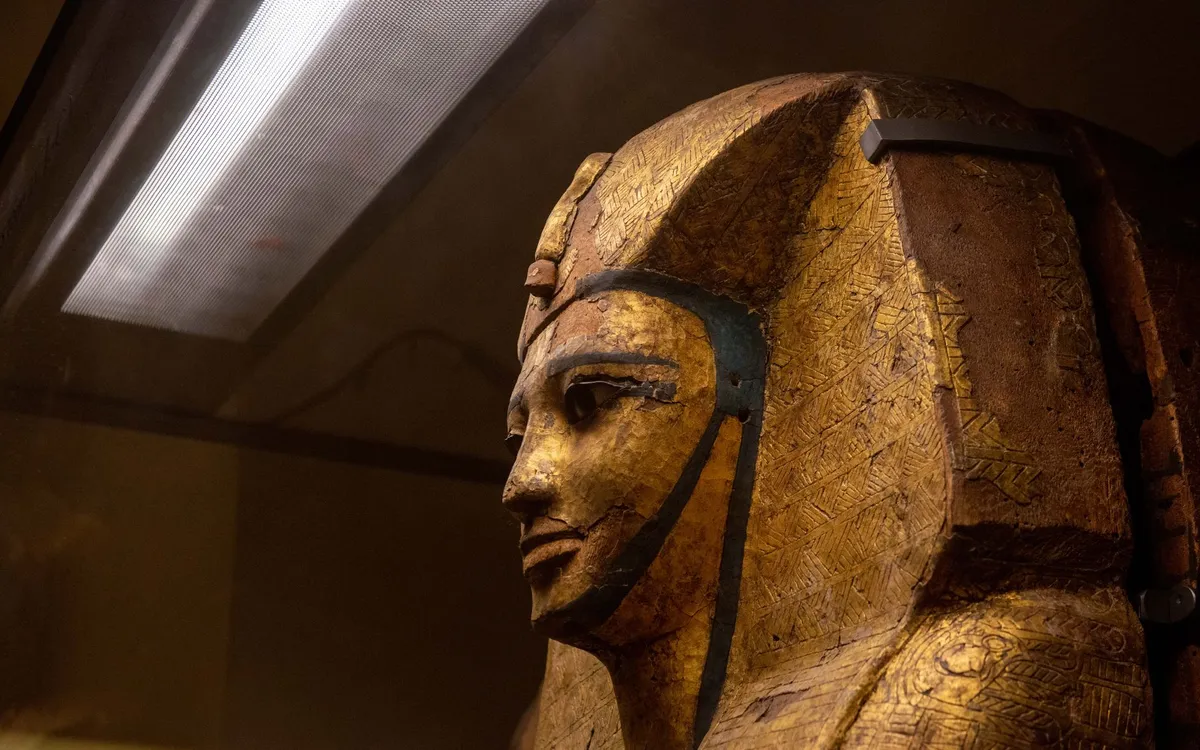
He ruled for only a handful of years and died before his twenties, yet Tutankhamun is the most famous pharaoh who ever lived. The reason is not what he achieved in life, but what survived after his death: a nearly intact royal tomb packed with treasure.
The story of the boy king blends a short, fragile life with one of the greatest archaeological discoveries of all time. Here is what we actually know, and what makes his legacy so enduring.
A Short Life in Turbulent Times
Tutankhamun came to the throne as a young child during the 18th Dynasty, around the 14th century BCE. He was likely the son of the so-called heretic pharaoh Akhenaten, who had upended Egyptian religion by promoting the worship of a single solar deity, the Aten.
One of the young king’s most significant acts was reversing this religious revolution. Originally named Tutankhaten (“living image of the Aten”), he changed his name to Tutankhamun (“living image of Amun”), signaling the restoration of the traditional gods and the powerful priesthood of Amun.
Tip: His name change is a clue carved in stone. When you see “Amun” inside a royal name, you are looking at a pharaoh aligning himself with Egypt’s most powerful temple establishment.
Modern study of his mummy suggests he suffered from health problems and may have walked with difficulty. He died young, and the exact cause remains debated among Egyptologists, with theories ranging from injury to illness.
The Discovery of 1922
For centuries, the Valley of the Kings had been picked over by tomb robbers and archaeologists alike. Many believed there was nothing left to find. The British archaeologist Howard Carter, backed financially by Lord Carnarvon, disagreed.
In November 1922, after years of searching, Carter’s team uncovered a step cut into the valley floor. It led to a sealed doorway. When Carter made a small breach and peered in by candlelight, Carnarvon asked if he could see anything. Carter’s reported reply has become legendary:
“Yes, wonderful things.”
Beyond lay chambers crammed with furniture, chariots, statues, jewelry, and the king’s nested coffins. Unlike nearly every other royal tomb, this one had largely escaped ancient looting.
Inside the Tomb
The contents of the tomb gave the world an unprecedented window into royal burial. Among the most celebrated finds:
| Object | Why it matters |
|---|---|
| The golden funerary mask | An iconic masterpiece of ancient goldwork, now a symbol of Egypt |
| Nested coffins | The innermost made of solid gold |
| Canopic shrine | Held vessels for the king’s preserved organs |
| Chariots and weapons | Insight into royal life and warfare |
| Thrones and furniture | Exquisite craftsmanship and inlay work |
The sheer quantity and quality of objects, from a relatively minor king, hinted at how staggering the lost treasures of greater pharaohs must have been.
Tutankhamun Today
Today, Tutankhamun’s treasures are central to Egypt’s cultural heritage, with the Grand Egyptian Museum near Giza created to display his collection together on an unprecedented scale. The golden mask remains one of the most recognizable objects in the world.
His tomb in the Valley of the Kings, designated KV62, can still be visited, and standing in the place where Carter made his discovery is a powerful experience for any traveler fascinated by ancient Egypt. You can plan your trip to Luxor and the Valley of the Kings to see it for yourself.
The fame of the boy king also fueled the popular “curse of the pharaohs” legend after the death of Lord Carnarvon, though Egyptologists attribute the deaths surrounding the excavation to coincidence and natural causes.
Conclusion
Tutankhamun teaches us that history’s spotlight does not always fall on the mightiest. A short-lived king became immortal because his tomb survived. When you stand before his golden mask or descend into KV62, you are connecting directly with a teenage pharaoh who ruled more than three thousand years ago, and with the discovery that captured the world’s imagination.
Tutankhamun: The Boy King and Carter's Famous Discovery
Skip the queues and secure your spot — book your tickets and tours through our trusted partner Tiqets.
Check tickets on TiqetsTickets & activities in Cairo
Some links on EgyptInterActive are affiliate links: if you book through them we may earn a commission, at no extra cost to you. It never changes our recommendations.
Keep reading
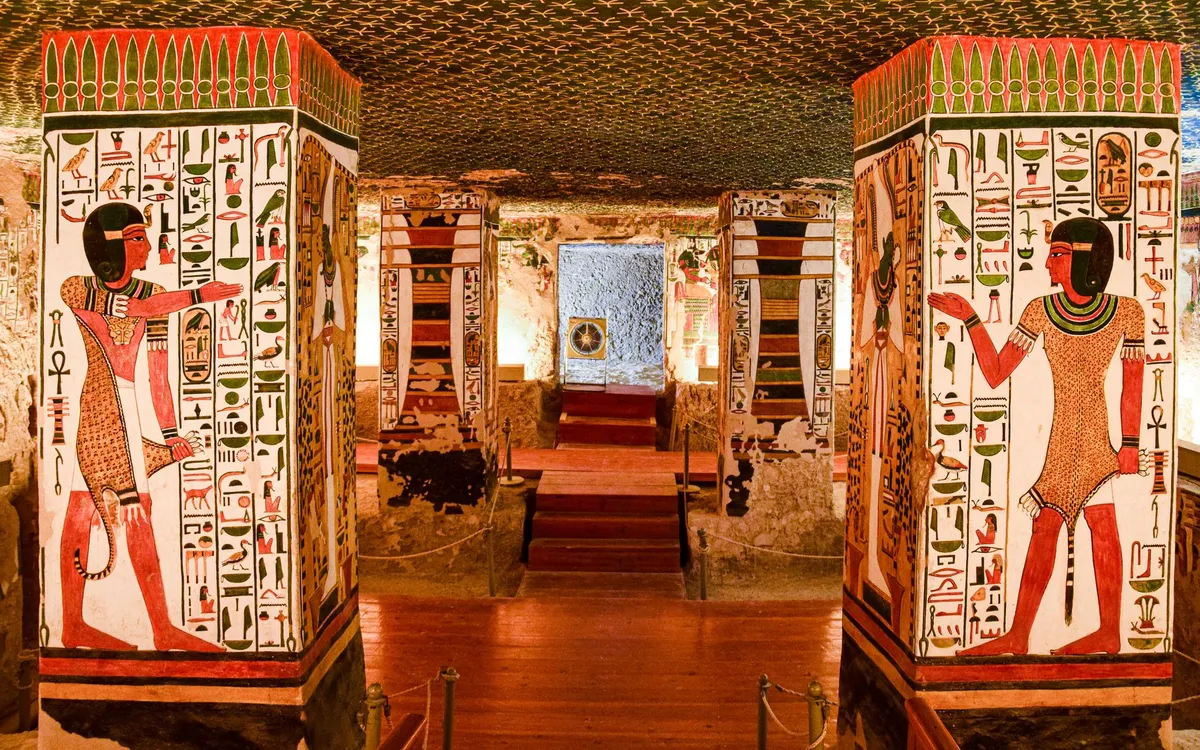
The Curse of the Pharaohs: Fact, Fiction and the Real Story
Did a deadly curse strike those who opened Tutankhamun's tomb? Separating the legend of the pharaohs' curse from the facts.
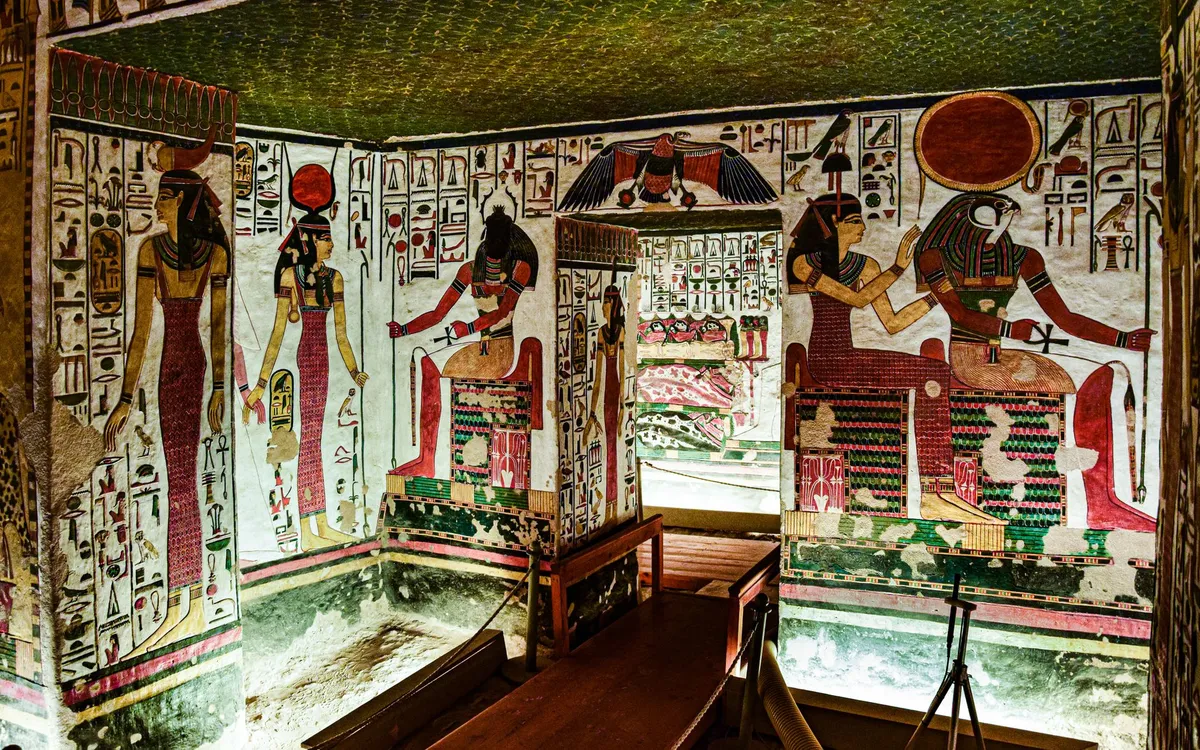
The Book of the Dead Explained: Judgment and the Weighing of the Heart
A guidebook for the afterlife: discover the Book of the Dead, the weighing of the heart, and the goddess Maat who held the cosmos in balance.
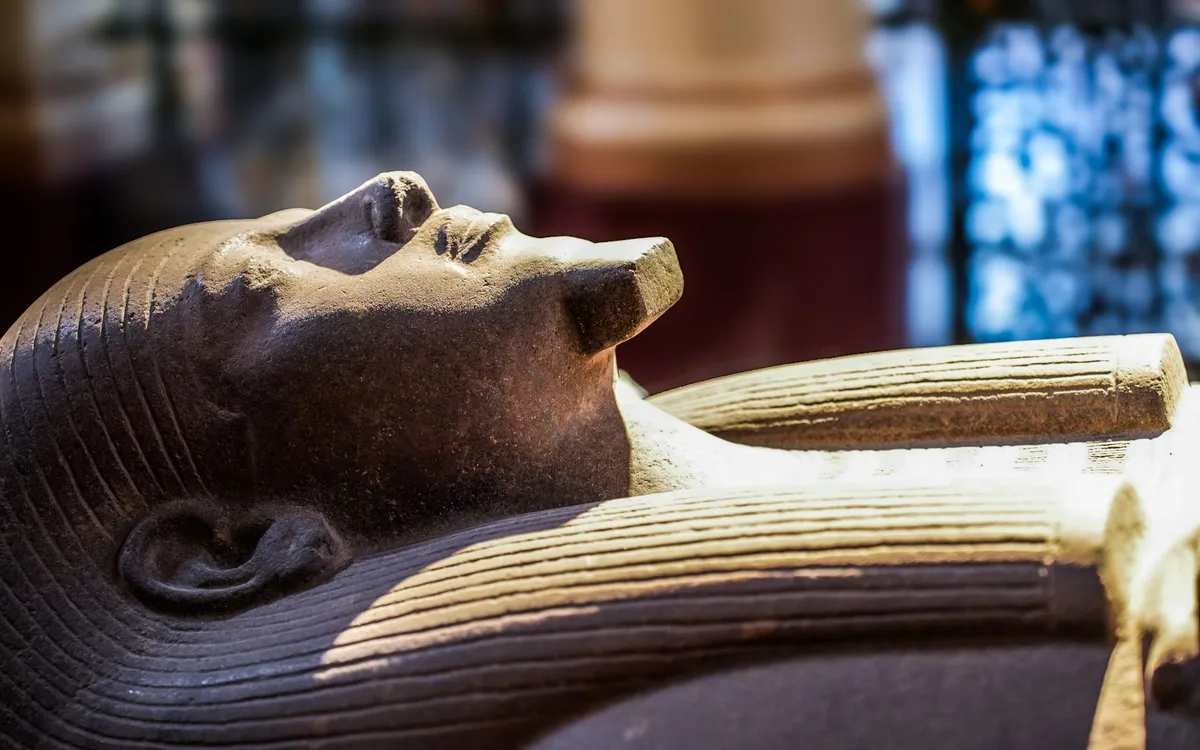
How Mummies Were Made: Mummification Step by Step
From removing the brain to seventy days in natron salt, discover how the ancient Egyptians turned the dead into eternal mummies.