Common Egypt Travel Scams and How to Avoid Them
A practical guide to common Egypt travel scams — camel rides, 'closed today' tricks, papyrus shops and taxi overcharging — and simple ways to avoid each one.
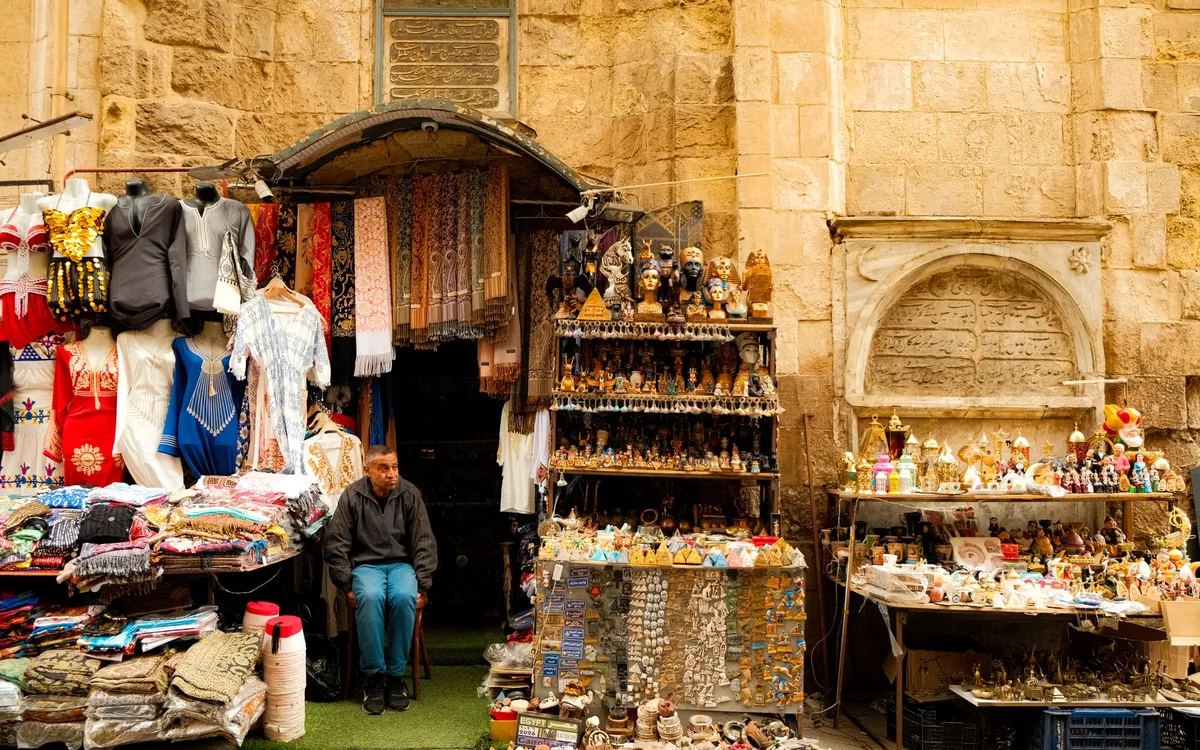
Let’s be clear up front: the “scams” most travellers meet in Egypt are pushy sales tactics and overcharging, not crime, and a friendly, firm traveller handles them easily. Knowing the classic moves in advance turns them from frustrating to almost amusing. This guide runs through the most common ones — camels, “closed today,” papyrus shops and taxis — with a simple defence for each, so you can enjoy the bustle of Egypt’s markets and monuments with confidence.
Why these happen (and why not to take it personally)
Egypt’s biggest sites sit at the heart of a competitive, tip-driven economy where everyone is hustling for business. Most of what feels like a “scam” is simply hard selling aimed at tourists assumed to have money and to be unsure of local prices. It isn’t personal, it rarely poses any danger, and your best tools are calm confidence, a sense of humour, and a willingness to say no clearly.
Tip: Decide your prices and your “no” before you arrive at a site. Hesitation is what sellers read as an opening — quiet certainty ends most exchanges fast.
The classics, and how to beat them
Here are the recurring ones to recognise:
| The move | What happens | Your defence |
|---|---|---|
| The camel/horse ride | A cheap-sounding ride; the price jumps to get back down | Agree the full round-trip price out loud first, or simply skip it |
| ”It’s closed today” | A stranger says your destination is shut and offers an alternative (a shop) | Politely ignore; verify at the official entrance yourself |
| The papyrus / perfume shop | A “free” visit or “museum” that’s a high-pressure sales room | Enjoy if you like, but buy only what you genuinely want |
| Taxi overcharging | No meter, then a high fare at the end | Agree the fare before getting in, or use a ride-hailing app |
| The “free” gift or photo | Someone hands you an item or offers to take your photo, then demands payment | Don’t accept unsolicited items; hand them back politely |
| The helpful “guide” | Unsolicited person attaches to you at a site, then wants a fee | Decline early and clearly before any “service” begins |
None of these require confrontation — just early, polite firmness.
Money, taxis and tickets
A few habits remove the most common friction points:
- Carry small change. Much overcharging happens because you have no small notes and “there’s no change.” Keep a stock of small denominations.
- Agree fares first. With street taxis, settle the price before you move. Ride-hailing apps remove the haggling entirely and are widely used in cities.
- Buy tickets at official counters. Purchase monument entry at the genuine ticket office, not from someone who approaches you outside.
- Count your change. Politely but always, especially in busy spots.
Shops, “guides” and gentle pressure
Around famous sites you’ll be steered toward shops, offered “special” prices, and told a place is the “best” or “official” one. Browse if you enjoy it, but never feel obliged to buy because someone was friendly or gave you tea — hospitality is genuine, but it isn’t a contract. If you don’t want a guide, say so once, clearly, and keep walking; a guide who attaches himself uninvited and then asks for money is best declined at the very start.
For souvenirs, a relaxed approach to haggling — naming a fair price, smiling, and being ready to walk away — usually lands you somewhere reasonable.
Conclusion: confident, friendly, unbothered
The reassuring reality is that Egypt’s scams are predictable, low-stakes and easy to handle once you know them. Agree prices before camel rides and taxis, verify “it’s closed” claims yourself, treat papyrus and perfume “tours” as optional shopping, carry small change, and decline unsolicited help early and politely. Do that and these moments become part of the colour of travelling in Egypt rather than a source of stress. Stay friendly, stay firm, and enjoy the show.
Keep planning a smooth trip on our plan your trip hub.
Some links on EgyptInterActive are affiliate links: if you book through them we may earn a commission, at no extra cost to you. It never changes our recommendations.
Keep reading

Solo Female Travel in Egypt: An Honest, Practical Guide
Solo female travel in Egypt, honestly — practical safety tips, dealing with street attention, clothing, transport, and how to travel with confidence.
Tipping in Egypt: A Practical Guide to Baksheesh
Understanding baksheesh — who to tip in Egypt, when, how, and the relaxed etiquette that makes daily interactions run smoothly.
What to Wear in Egypt: A Practical Dress Guide for Travellers
How to dress in Egypt — modest but comfortable, mosque etiquette, beating the heat, and what works at the beach and for diving.