Is Egypt Safe to Visit? An Honest, Practical Guide
Is Egypt safe to visit? A balanced, practical look at tourist areas, common sense precautions, scams versus real safety, and the official sources to check.
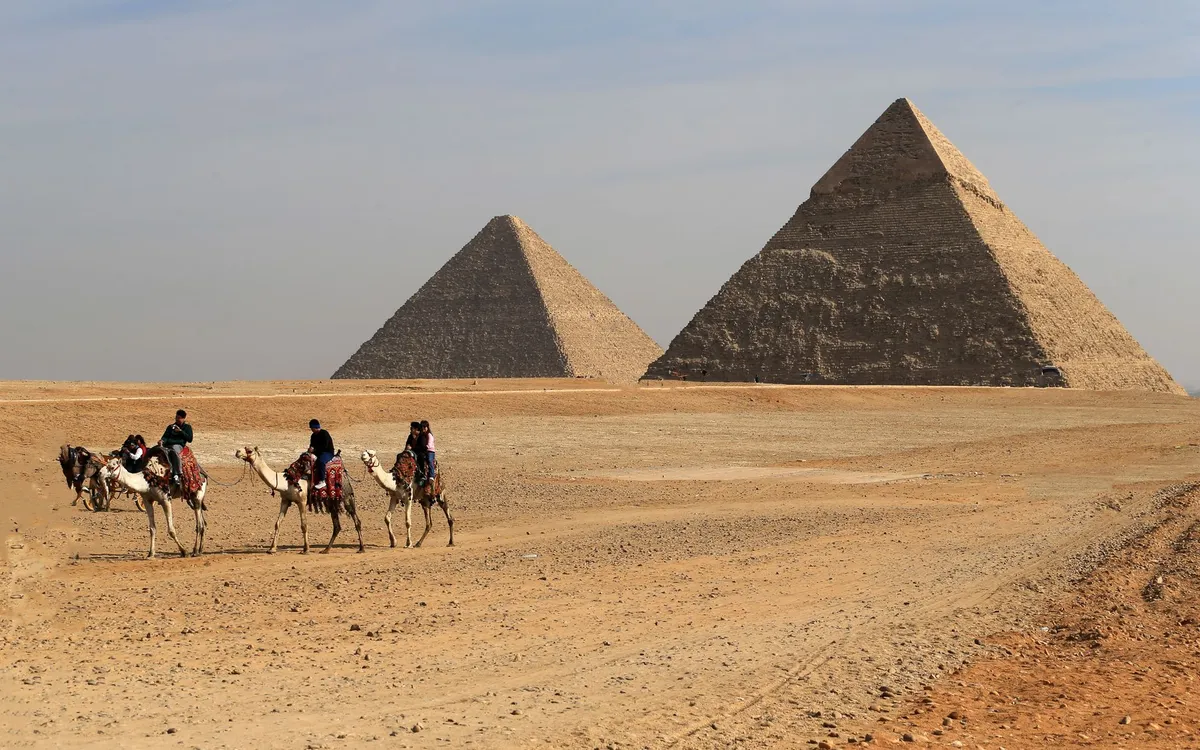
“Is Egypt safe?” is the first question most travellers ask, and the honest answer is reassuring: millions of visitors explore Egypt every year and the vast majority have a wonderful, trouble-free trip. The main tourist areas are well established and used to welcoming foreigners. What follows is a practical guide to what safety in Egypt really looks like — separating everyday hassle from genuine concerns, and pointing you to the official sources that should always have the final word.
The big picture: tourism areas are well travelled
Egypt’s economy leans heavily on tourism, and the country invests in keeping its key sites accessible and watched over. Cairo, Giza, Luxor, Aswan, Alexandria, the Nile cruise corridor, and the Red Sea resorts of Hurghada and Sharm El Sheikh are visited continuously throughout the year. You’ll see a visible security presence at airports, major monuments, hotels and tourist hubs — checkpoints and bag scanners are routine and are there for your benefit.
That said, conditions can change, and parts of the country away from the main tourist routes are treated differently by governments issuing travel advice. This is exactly why you should never rely on a single article — including this one — as your sole source.
Tip: Read your government’s travel advice once when planning and again a week before you fly. Advisories are updated regularly and are the most current, authoritative read on regional conditions.
Check the official sources first
Before booking and before departure, consult the official channels for your country. These are the bodies that issue formal, up-to-date guidance:
- The UK Foreign, Commonwealth & Development Office (FCDO) travel advice for Egypt
- The U.S. Department of State travel advisories
- Your own national foreign ministry or embassy in Egypt
- Your travel insurer, who may have specific conditions tied to official advisories
These sources break the country down region by region, which matters because advice for a Red Sea resort is not the same as advice for remote border or desert areas. If an advisory recommends against travel to a specific region, take it seriously and adjust your itinerary.
Everyday hassle is not the same as danger
Much of what first-time visitors describe as feeling “unsafe” is actually persistent commercial pressure rather than real risk. Around major monuments you’ll encounter eager vendors, unsolicited “guides,” and people offering services you didn’t ask for. It can feel overwhelming, but it is rarely a threat to your safety — it’s a sales culture, and a polite, firm “no, thank you” works.
Common situations to expect:
- Vendors and touts near famous sites who can be very persistent
- Offers of “help” (taking your photo, showing you the way) that end in a request for a tip
- Inflated prices for tourists, especially in markets and taxis
- Pressure to enter a particular shop or take a particular camel/horse ride
None of these are dangers in the criminal sense — they’re part of the bustle. Treating them as the normal texture of travel here, rather than as menace, changes the whole experience.
Practical precautions that go a long way
Standard travel common sense applies in Egypt just as it would in any busy destination:
| Situation | Sensible habit |
|---|---|
| Money & valuables | Keep cash split up; use the hotel safe; avoid flashing expensive items |
| Getting around | Use hotel-arranged transfers or reputable ride-hailing apps; agree fares before petty taxi rides |
| Heat & water | Drink bottled or filtered water; pace yourself in summer; carry sun protection |
| Crowds & markets | Stay aware of your bag; keep a copy of your passport separate from the original |
| Tours | Book reputable, licensed operators; tell your hotel your plans for the day |
Dressing modestly, especially away from beach resorts and at religious sites, also reduces unwanted attention and is appreciated locally.
Solo travellers, women and families
Egypt is a popular destination for families, couples, groups and solo travellers alike, and organised tours make it especially easy to see a lot with built-in support. Women travelling solo do visit Egypt and enjoy it, though many report a higher level of street attention and persistent comments than they’d get at home; dressing modestly, staying in well-reviewed accommodation, and using arranged transport help considerably. If you want a deeper, honest read on this, our dedicated solo female travel guide goes into specifics.
Conclusion: confident, not careless
The realistic takeaway is that Egypt is a mainstream, much-loved destination where most visitors feel safe and have a fantastic time — provided they travel with the same awareness they’d use in any busy place, and stay informed through official channels. Plan well, keep your wits about you in crowds, treat persistent vendors as hassle rather than harm, and check the FCDO or State Department advice for the regions you’ll visit. Do that, and you can focus on the pyramids, temples and the Nile rather than on worry.
Ready to start? Head to our plan your trip hub to put the itinerary together.
Some links on EgyptInterActive are affiliate links: if you book through them we may earn a commission, at no extra cost to you. It never changes our recommendations.
Keep reading
Solo Female Travel in Egypt: An Honest, Practical Guide
Solo female travel in Egypt, honestly — practical safety tips, dealing with street attention, clothing, transport, and how to travel with confidence.
Tipping in Egypt: A Practical Guide to Baksheesh
Understanding baksheesh — who to tip in Egypt, when, how, and the relaxed etiquette that makes daily interactions run smoothly.
What to Wear in Egypt: A Practical Dress Guide for Travellers
How to dress in Egypt — modest but comfortable, mosque etiquette, beating the heat, and what works at the beach and for diving.