Egyptian Arabic Phrases: A Traveller's Survival Guide
Useful Egyptian Arabic phrases for travellers — greetings, polite words, numbers and bargaining lines — with simple pronunciation to help you connect in Egypt.
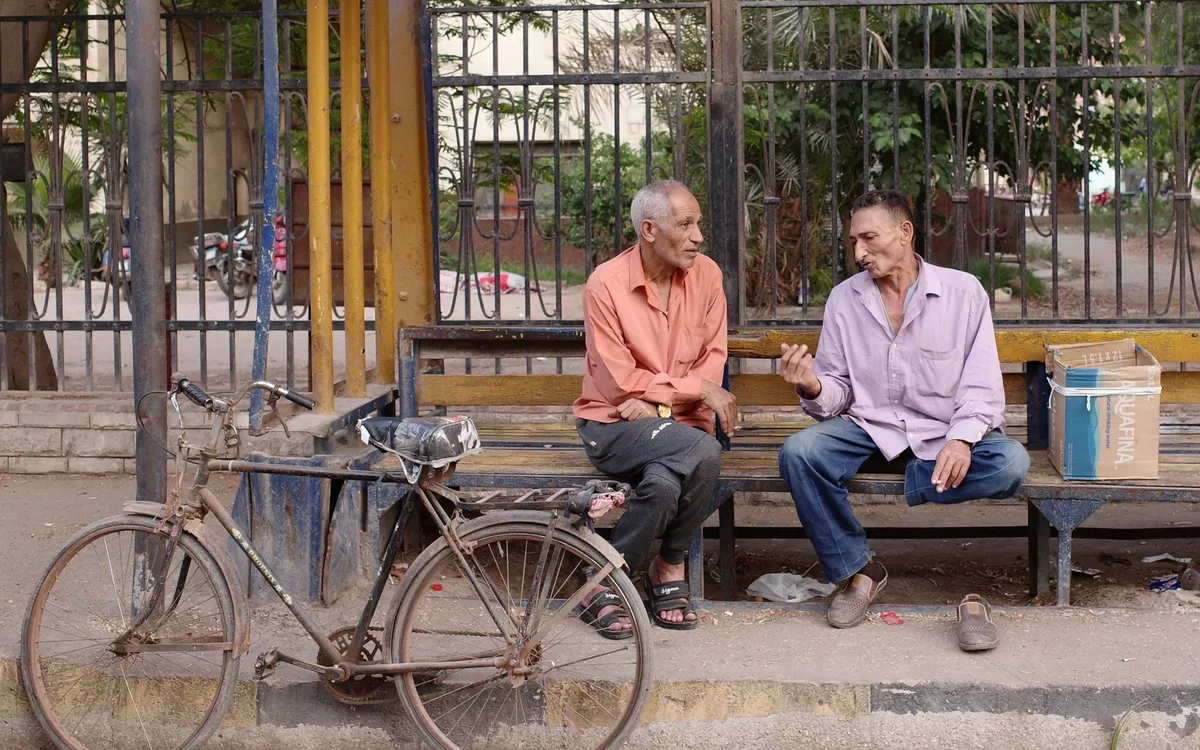
You can absolutely travel Egypt with English alone, but a handful of Egyptian Arabic phrases transform the trip. Locals light up when visitors try, prices soften, and small interactions become genuinely warm. Here is a practical, pronounceable starter kit.
Greetings and first contact
Egyptians are famously friendly, and greetings carry weight. A warm hello goes a long way.
| English | Egyptian Arabic | Pronunciation |
|---|---|---|
| Hello (peace upon you) | السلام عليكم | as-salaamu aleikum |
| Hello (casual) | أهلاً | ahlan |
| Welcome / response | أهلاً بيك | ahlan beek |
| Good morning | صباح الخير | sabah el-kheir |
| Good evening | مساء الخير | masa el-kheir |
| How are you? (to a man) | إزيك | izzayyak |
| How are you? (to a woman) | إزيّك | izzayyik |
| Fine, thank God | كويس، الحمد لله | kwayyes, el-hamdulillah |
Tip: “Insha’Allah” (God willing) and “el-hamdulillah” (thanks be to God) pepper everyday speech. Using them naturally signals respect and instantly warms a conversation.
The polite essentials
These small words do most of the heavy lifting. Learn them first.
- Please — min fadlak (to a man) / min fadlik (to a woman)
- Thank you — shukran
- You’re welcome — afwan
- Yes — aywa / No — la’a
- Excuse me / sorry — aasif (man) / asfa (woman)
- No problem — mafeesh mushkila
- God willing — insha’Allah
A genuine shukran gazilan (“thank you very much”) after good service is always appreciated.
Getting around and getting by
A few functional phrases smooth out taxis, shops and directions.
- How much? — bikam?
- Where is…? — fein…?
- I want… — ana ‘ayez… (man) / ana ‘ayza… (woman)
- I don’t want — mish ‘ayez / mish ‘ayza
- Stop here — ‘ala gambak / hena kwayyes (here is fine)
- Water — mayya
- The bill, please — el-hisab, min fadlak
- I don’t understand — mish fahem (man) / mish fahma (woman)
- Do you speak English? — bititkallim ingileezi?
Numbers help too: wahid (1), itnein (2), talata (3), arba’a (4), khamsa (5), ‘ashara (10), meyya (100).
Friendly bargaining
Bargaining in souks and bazaars is expected, sociable and rarely aggressive. Smile, stay relaxed, and treat it as a conversation rather than a battle.
- How much is this? — bikam da?
- That’s expensive — da ghali!
- Final price? — akher kalam? (literally “last word?”)
- A little cheaper, please — arkhas shwayya, min fadlak
- I’ll think about it — ha-fakkar
- No thank you — la’a, shukran
A useful rhythm: ask the price, react with a warm “da ghali!”, offer a lower number, and meet somewhere in the middle. If the gap is too wide, a smiling la’a shukran and a step toward the door often brings a better offer.
Words that win smiles
Beyond the functional, a few expressions make you instantly likeable.
- Beautiful / nice — helw (also used for “sweet” and “good”)
- Egypt — Masr (Egyptians call their country and Cairo both Masr)
- My friend — ya sadiqi / informally ya basha (a friendly “boss”)
- Congratulations — mabrook
- Goodbye — ma’a salama
A final note on tone: Egyptians value warmth over perfect grammar. Mispronounce freely, laugh at your own mistakes, and lead with a smile — that attitude matters more than vocabulary.
Want to put these phrases to work on a real route through Cairo, Luxor and Aswan? Start with our Plan Your Trip guide to map out where you’ll be greeting, thanking and bargaining your way across Egypt.
Some links on EgyptInterActive are affiliate links: if you book through them we may earn a commission, at no extra cost to you. It never changes our recommendations.
Keep reading
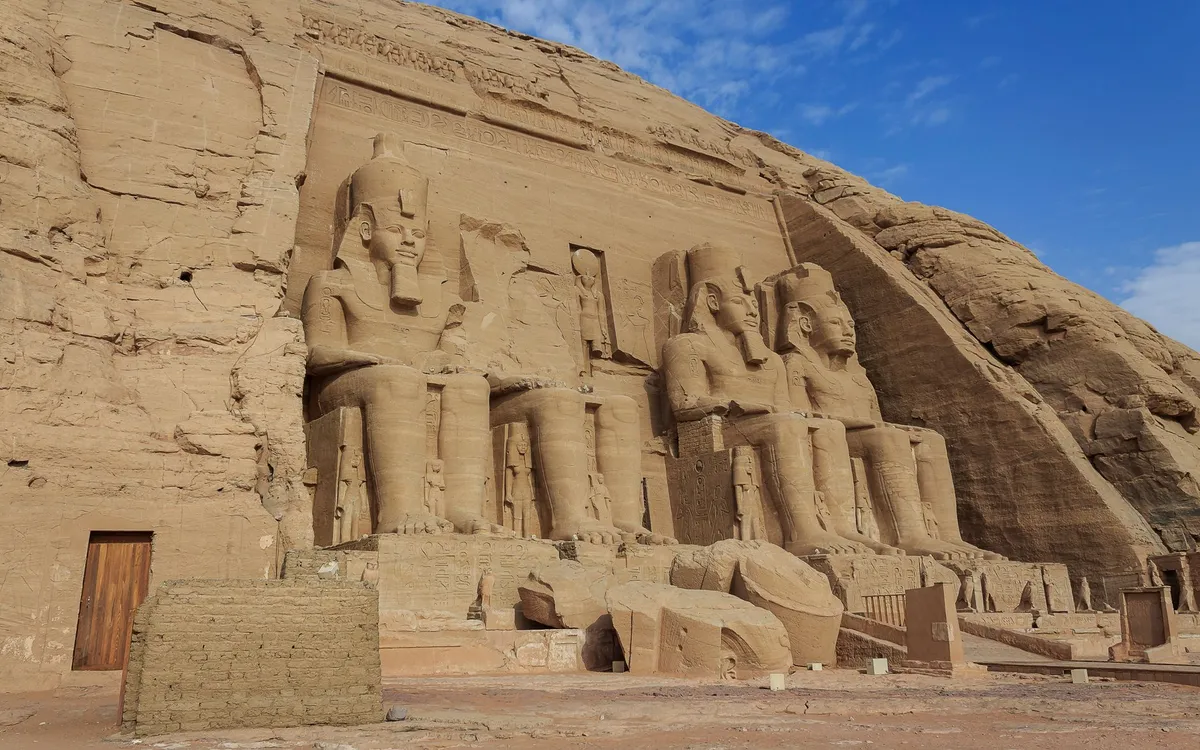
Abu Simbel Sun Festival: The Solar Alignment Explained
Twice a year, sunlight pierces deep into Ramesses II's temple to illuminate the gods inside. Here's how the Abu Simbel Sun Festival works and how to see it.
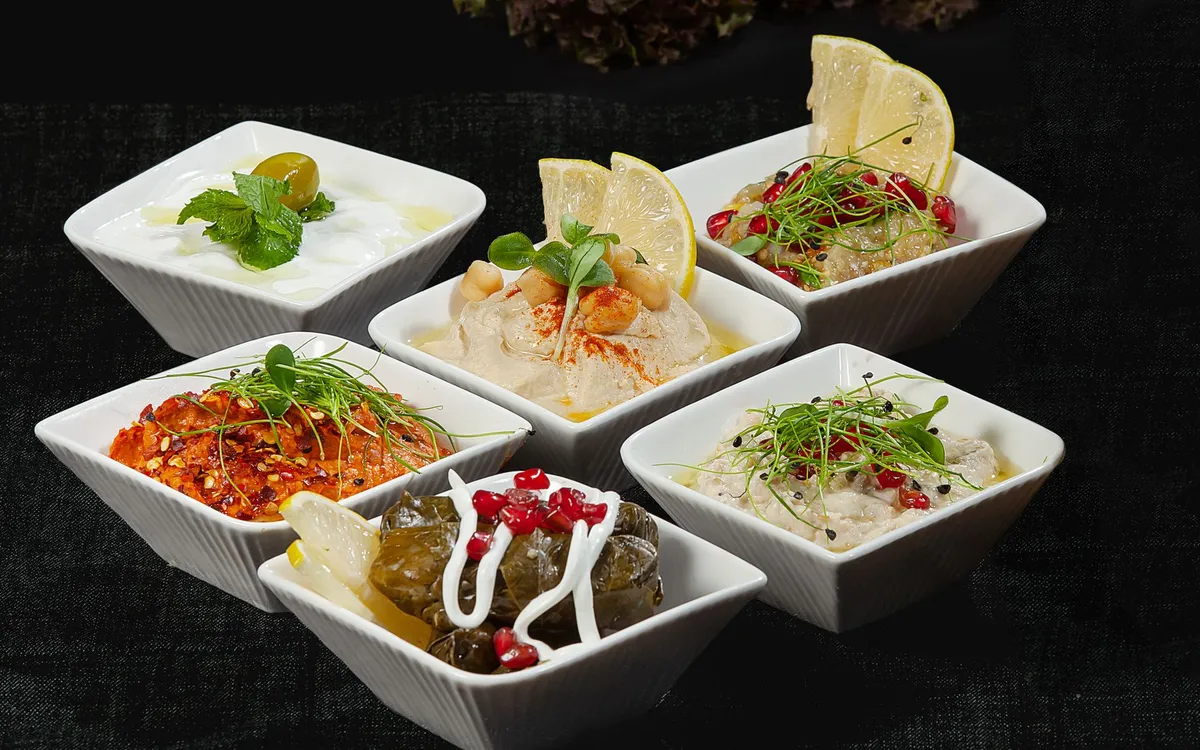
Egyptian Food: 14 Dishes You Have to Try (and Where to Eat Them)
From koshari to molokhia and basbousa — the essential Egyptian dishes to seek out, and the kinds of places where they taste best.