Egyptian Food: 14 Dishes You Have to Try (and Where to Eat Them)
A guide to Egyptian food and the best dishes to try — koshari, ful, ta'meya, molokhia, mahshi and classic desserts — plus where to eat them in Egypt.
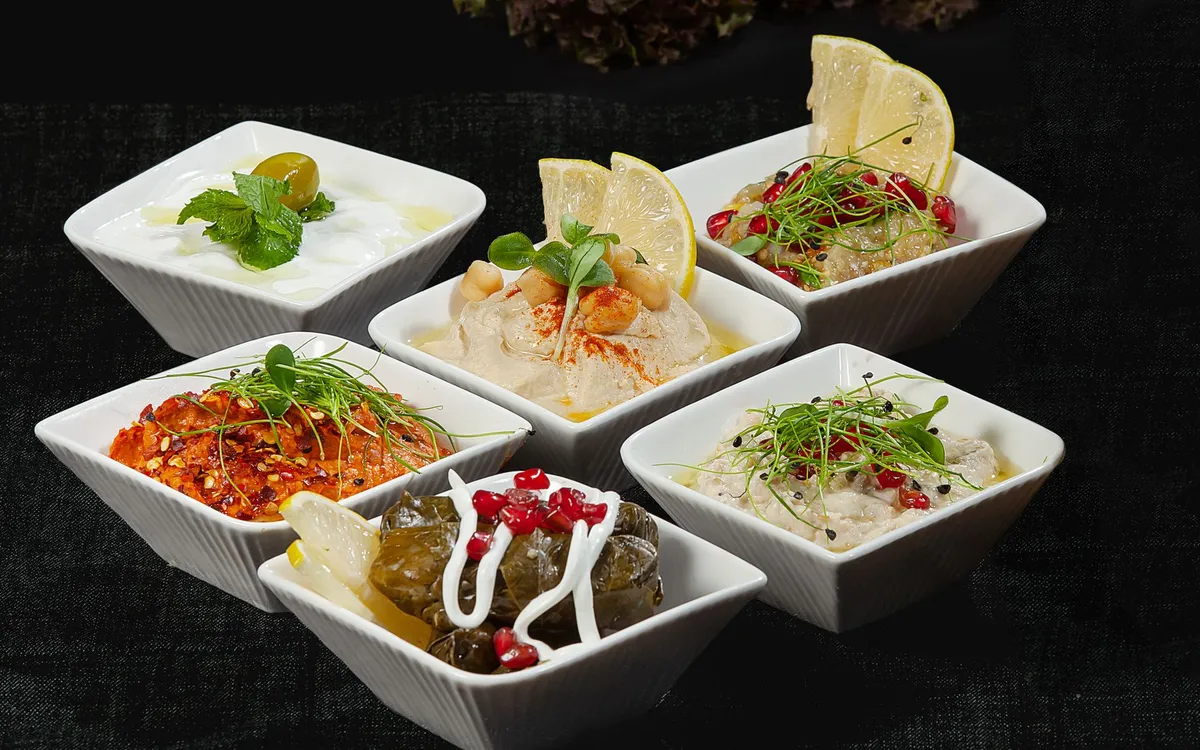
Egyptian cooking is hearty, generous and built around a handful of beloved staples that locals eat almost every day. It is less about fine dining than about flavour, comfort and sharing. Here are the dishes worth crossing the country for, and the kinds of places where they shine.
The big three street staples
If you try nothing else, try these. They are the backbone of everyday eating and you will find them everywhere, from carts to sit-down spots.
- Koshari — Egypt’s unofficial national dish: rice, macaroni, lentils and chickpeas topped with crispy fried onions, a garlicky tomato sauce and a splash of cumin-vinegar. Cheap, filling and entirely vegan.
- Ful medames — slow-cooked fava beans mashed with olive oil, lemon, cumin and garlic, usually scooped up with warm baladi bread. The classic Egyptian breakfast.
- Ta’meya — the Egyptian take on falafel, made with fava beans rather than chickpeas, which gives it a greener, fluffier interior. Often eaten in a sandwich with salad and tahina.
Tip: For koshari, look for a busy, specialised koshari shop rather than a general restaurant — high turnover means fresher onions and sauce made that day.
Comforting home-style mains
These are the dishes Egyptian families cook for lunch, the main meal of the day. You will find them in casual restaurants and any place advertising “baladi” or home cooking.
- Molokhia — a deep-green soup-stew made from finely chopped jute mallow leaves, garlic and coriander, served over rice and usually with chicken, rabbit or beef. Its silky texture divides newcomers, but many end up loving it.
- Mahshi — vegetables (vine leaves, courgettes, peppers, cabbage, aubergine) stuffed with a fragrant rice-and-herb mixture and simmered until tender.
- Fattah — layers of bread and rice topped with meat and a garlicky, vinegary tomato sauce, traditionally eaten at celebrations and feasts.
- Hamam mahshi — pigeon stuffed with seasoned rice or freekeh, a prized dish especially around the Nile Delta and in older Cairo restaurants.
Grills, seafood and street sandwiches
Egypt’s grill houses and coastal kitchens round out the picture.
- Kofta and kebab — spiced minced-meat skewers and grilled lamb or beef, served with bread, salads and tahina.
- Hawawshi — spiced minced meat baked inside crisp baladi bread, a satisfying handheld classic.
- Grilled fish and seafood — especially in Alexandria and along the coasts, where you often pick your fish fresh and have it grilled or fried.
- Shawarma and feteer — shawarma needs no introduction; feteer meshaltet is a flaky, layered pastry served either savoury or sweet.
| Dish | Type | Good to know |
|---|---|---|
| Koshari | Vegan street food | Mix the sauces in yourself |
| Ful medames | Breakfast | Ask for extra lemon and cumin |
| Molokhia | Home-style stew | Texture is intentionally silky |
| Hawawshi | Street snack | Best straight from the oven |
| Feteer | Pastry | Order savoury or sweet |
Sweets, drinks and how to finish
Egyptians have a serious sweet tooth, and dessert is rarely skipped.
- Basbousa — a syrup-soaked semolina cake, often topped with an almond.
- Om Ali — a warm bread-and-milk pudding with nuts and raisins, Egypt’s beloved answer to bread pudding.
- Konafa — shredded pastry with sweet fillings, especially popular during Ramadan.
- Roz bel laban — creamy rice pudding, simple and comforting.
To drink, look for karkadeh (hibiscus tea, served hot or iced), sahlab in winter, fresh sugarcane juice from street stalls, and mint tea everywhere. Strong Turkish-style coffee closes most meals.
Where to eat it well
You do not need expensive restaurants to eat well in Egypt — quite the opposite. The best koshari, ful and ta’meya usually come from busy, specialised local spots. For home-style mains, choose casual baladi restaurants full of Egyptian families. For grills, follow the smoke and the crowds. And in Alexandria and coastal towns, head straight for the seafood kitchens.
A few practical pointers:
- Eat where locals queue — turnover means freshness.
- Drink bottled or filtered water and be a little cautious with raw salads if you have a sensitive stomach.
- Try the street carts, but pick ones that are busy and visibly clean.
Planning a food-focused trip and want help slotting these meals between the sights? See our Plan Your Trip guide to build an itinerary that leaves room for long, lazy Egyptian lunches.
Some links on EgyptInterActive are affiliate links: if you book through them we may earn a commission, at no extra cost to you. It never changes our recommendations.
Keep reading
Abu Simbel Sun Festival: The Solar Alignment Explained
Twice a year, sunlight pierces deep into Ramesses II's temple to illuminate the gods inside. Here's how the Abu Simbel Sun Festival works and how to see it.
Egyptian Arabic Phrases: A Traveller's Survival Guide
The Egyptian Arabic words and phrases that open doors — greetings, thanks, polite refusals and friendly bargaining, with easy pronunciation.