Aswan High Dam: History, Lake Nasser, and How to Visit
An Aswan High Dam guide: the history and impact of Egypt's mighty dam, the creation of Lake Nasser, what you see, tickets, getting there and the best time to visit.
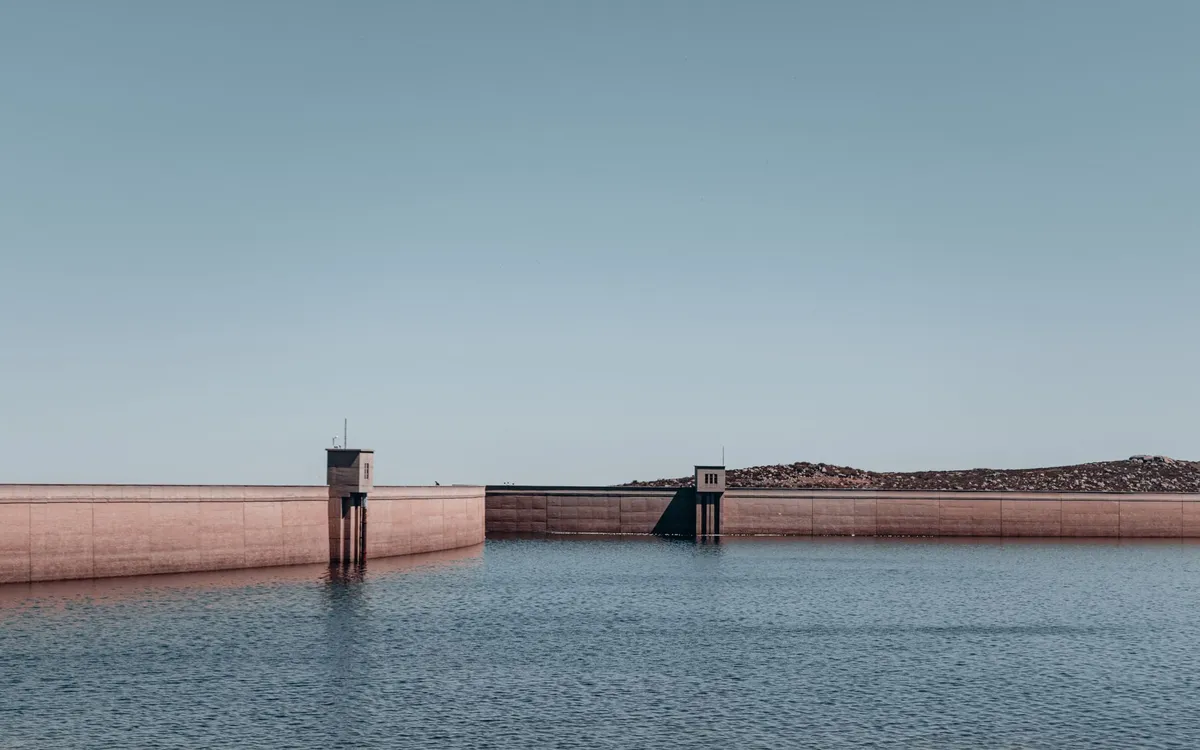
Few modern structures have reshaped a country as profoundly as the Aswan High Dam. Stretching across the Nile at the southern edge of Egypt, it tamed the river’s ancient floods, generated power for a nation and created Lake Nasser, one of the largest artificial lakes on Earth. A visit offers sweeping views and a chance to understand the engineering that transformed the modern country. This guide covers its history, its impact and how to plan a stop.
What the dam is and why it was built
The Aswan High Dam (in Arabic, Sadd al-Ali) is a vast rock-fill embankment dam completed in 1970, built a few kilometres upstream of the older British-era Aswan Dam. For thousands of years the Nile had flooded each summer, depositing fertile silt but also bringing the risk of devastating floods or, in lean years, drought and famine.
The High Dam was designed to end that uncertainty. By holding back the river in an enormous reservoir, it allowed Egypt to control the water released downstream, regulate irrigation across the year and protect the valley from extremes. It became a defining national project of the mid-20th century, carried out with significant Soviet engineering support, and remains a powerful symbol of modern Egypt.
What the dam achieved and its trade-offs
The dam’s benefits were transformative, but they came with consequences that are part of any honest account:
- Flood control — the annual flood, both blessing and threat, was finally regulated.
- Year-round irrigation — water could be stored and released as needed, expanding cultivated land.
- Hydroelectric power — its turbines generate a major share of electricity for the region.
- Lake Nasser — the reservoir behind the dam became a vast lake and a water reserve.
The trade-offs are real too. The reservoir submerged Nubian villages and ancient sites, forcing the relocation of communities and prompting the famous UNESCO rescue of monuments such as Abu Simbel and Philae. The river also no longer carries silt to the fields downstream, changing farming and the coastline. The dam is best understood as a feat of engineering with a complex legacy.
Tip: pair the dam with the nearby Unfinished Obelisk and Philae Temple — all three sit close together south of Aswan and combine naturally into a half-day excursion.
What you see and tickets
A visit typically takes you onto or beside the dam itself, where viewing points offer panoramas over the structure, the Nile below and the immense sweep of Lake Nasser stretching south toward Sudan. A lotus-shaped monument near the dam commemorates the Egyptian–Soviet cooperation behind its construction, and information panels help explain the project.
The dam is a controlled area, so access is managed and a ticket is normally required; photography may be restricted at certain points, and security checks are routine. Rather than quote prices that change, buy on site or arrange the visit through a licensed operator and confirm current rules locally. Bring your passport, as it can be requested.
Getting there and how long to stay
The dam lies a short drive south of Aswan and is almost always visited as part of a guided half-day that also includes Philae and the Unfinished Obelisk. A taxi or organised tour is the simplest way to reach it.
| Practicality | What to know |
|---|---|
| Location | South of Aswan, on the Nile |
| Access | Taxi or guided tour |
| Time needed | 30 to 45 minutes at the dam |
| Best paired with | Philae Temple, Unfinished Obelisk |
The stop at the dam itself is fairly short — half an hour to forty-five minutes is usually enough to take in the views and the monument — which is why it works so well combined with other Aswan sights.
Best time to visit and practical tips
Aswan is one of the hottest cities in Egypt, so the cooler months from October to April are far more comfortable, and morning visits avoid the worst heat and harsh midday light. Bring water, sun protection and a hat, and remember that there is little shade on the exposed structure.
For help building an Aswan itinerary that links the High Dam, Lake Nasser and a Nile cruise, see our plan your trip page. Take a moment at the viewpoints to appreciate the scale of what you are seeing: a single structure that changed the rhythm of a river thousands of years old and the lives of millions who depend on it.
Aswan High Dam: History, Lake Nasser, and How to Visit
Skip the queues and secure your spot — book your tickets and tours through our trusted partner Tiqets.
Check tickets on TiqetsTickets & activities in Luxor
Some links on EgyptInterActive are affiliate links: if you book through them we may earn a commission, at no extra cost to you. It never changes our recommendations.
Keep reading
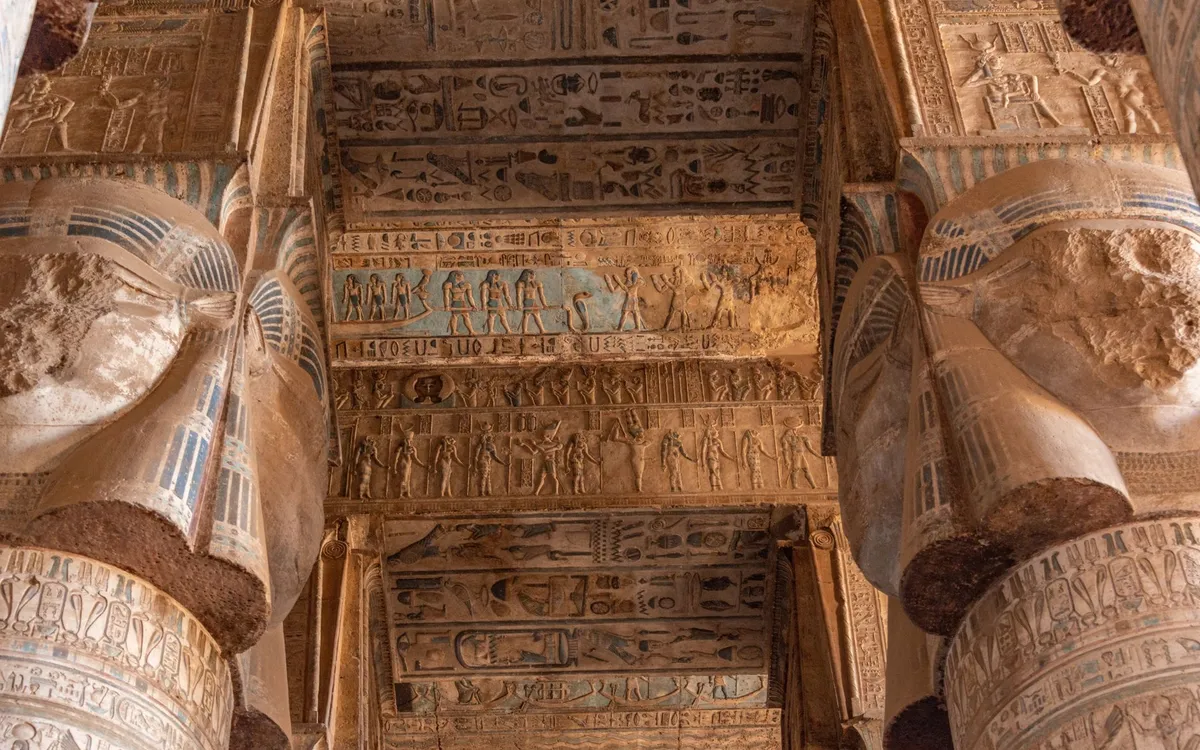
Dendera Temple Guide: Hathor's Temple and Its Painted Ceiling
Dendera dazzles with restored colour and a star-painted ceiling — one of Egypt's most complete temples, dedicated to the goddess Hathor.

Khan el-Khalili Guide: Cairo's Historic Bazaar and How to Visit
Khan el-Khalili is Cairo's great medieval bazaar — a labyrinth of lantern-lit alleys, craftsmen, spice stalls and the legendary El Fishawy café.
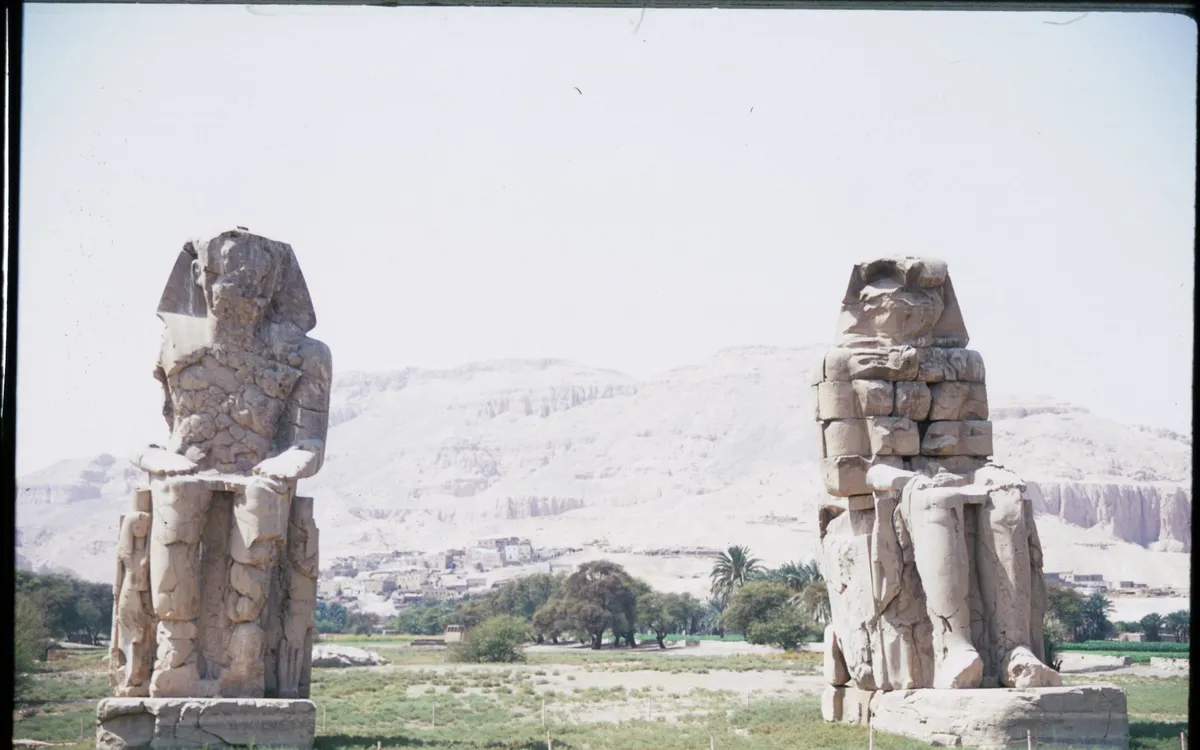
Colossi of Memnon Guide: Luxor's Twin Giants on the West Bank
Two colossal statues of Amenhotep III guard the road to Luxor's West Bank — a free, dramatic first stop on any tombs-and-temples day.