Kom Ombo Temple Guide: The Double Temple of Sobek and Horus
Kom Ombo Temple guide: the unique double temple of Sobek the crocodile and Horus, the Crocodile Museum, tickets, opening times and Nile cruise tips.
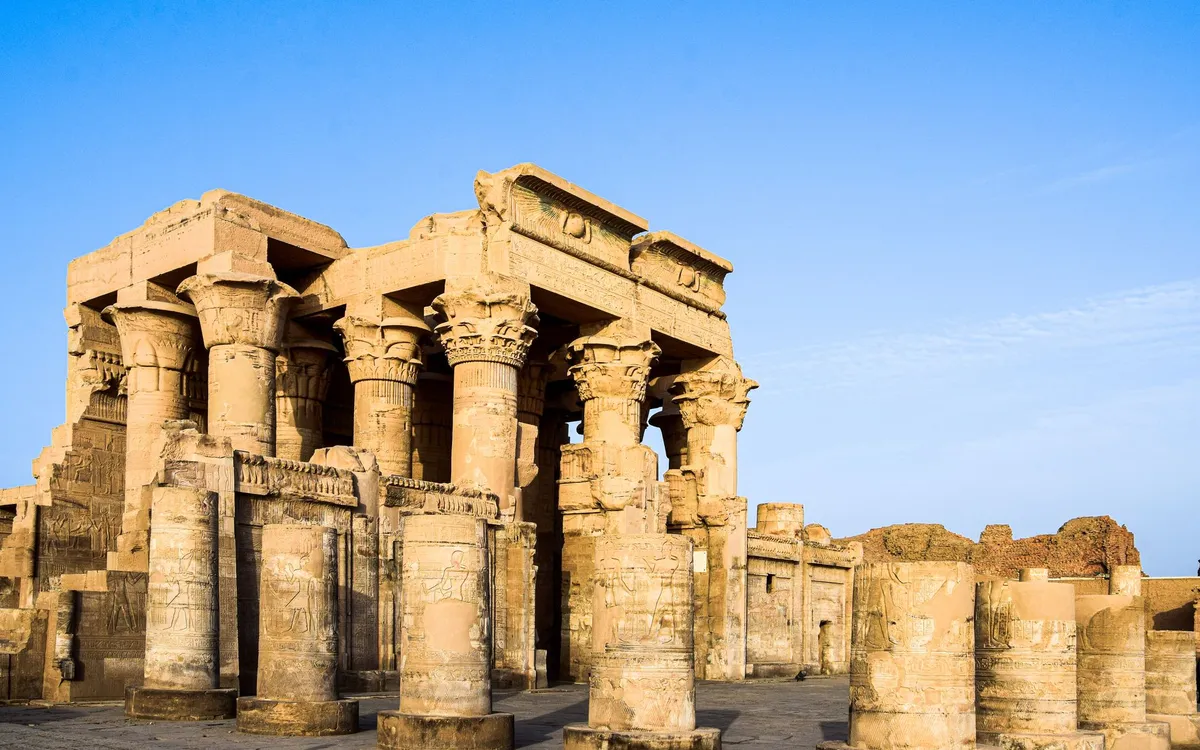
Perched on a bend of the Nile, the Temple of Kom Ombo is one of the most unusual monuments in Egypt. It is a double temple, perfectly symmetrical and dedicated to two different gods at once, and its riverside setting makes it one of the most atmospheric stops on any Nile cruise. Beside it sits a small museum displaying mummified crocodiles unearthed nearby.
What makes Kom Ombo unique
Almost every Egyptian temple honours a single principal god. Kom Ombo breaks the rule. The building is split down the middle: the southern half is dedicated to Sobek, the crocodile god of fertility and the Nile, while the northern half honours Haroeris — a form of Horus the elder, the falcon god of the sky and healing.
The result is a structure with twin entrances, twin courtyards, twin halls and twin sanctuaries, mirrored along a central axis. The temple dates largely from the Ptolemaic period, the Greek dynasty that ruled Egypt in the centuries before Roman annexation, with later Roman additions.
What you will see
The temple’s symmetry is the first thing that strikes you, but the detail rewards a closer look. Among the highlights:
- The mirrored sanctuaries, where you can stand on the central axis and see two identical temples branching left and right.
- The “medical instruments” relief, a famous carving often interpreted as depicting surgical and medical tools — a nod to Haroeris as a healing god.
- Scenes of the Nile calendar and offerings, including a relief associated with the divine triads worshipped here.
- The remains of a Nilometer, used to measure the river’s annual flood.
- Carvings of Sobek, the crocodile god, threaded throughout the southern half.
Tip: walk the temple twice — once down the Sobek (south) side and once down the Haroeris (north) side. Comparing the two halves is the whole point of Kom Ombo, and it is easy to miss if you only follow one path.
The Crocodile Museum
Next to the temple stands the Crocodile Museum, a modern, climate-controlled space displaying mummified crocodiles recovered from the area, along with related artefacts. Crocodiles were sacred to Sobek, and many were embalmed as offerings. The museum is compact but a genuine highlight, and admission is usually arranged alongside the temple ticket.
Tickets, opening times and getting there
Kom Ombo is an official antiquities site with a ticket office at the entrance; the Crocodile Museum generally requires its own ticket. Rather than quote prices that change, buy on arrival or let your cruise or tour operator handle entry. Most Nile cruises include Kom Ombo on the itinerary between Luxor and Aswan.
| Detail | What to know |
|---|---|
| Typical visit length | 1 to 1.5 hours, plus the museum |
| Usual arrival | Nile cruise stop near Aswan |
| Dock to temple | A short walk uphill from the river |
| Best paired with | Edfu, the cruise stop downstream |
The temple sits right on the riverbank, so cruise boats moor almost at its feet and the walk up to the entrance takes only minutes. If you are travelling independently, Kom Ombo pairs naturally with Edfu on a day trip by road from Aswan or Luxor. Our plan your trip page can help you slot the southern temples into a Nile itinerary.
Best time to visit and practical tips
Late afternoon is magical here: the temple glows in the low sun and many cruise schedules time the visit for the end of the day. The cooler months from autumn to spring are the most comfortable overall, as Upper Egypt summers are very hot.
Carry water, a hat and sunscreen, and wear comfortable shoes for the slightly uneven ground. As with the other Ptolemaic temples, a knowledgeable guide brings the symmetry and symbolism to life — the medical relief and the dual-god layout are far more interesting once explained.
Give Kom Ombo around ninety minutes plus time for the Crocodile Museum, linger on the central axis to take in both temples at once, and you will understand why this riverside curiosity is a favourite stop on the Nile.
Kom Ombo Temple Guide: The Double Temple of Sobek and Horus
Skip the queues and secure your spot — book your tickets and tours through our trusted partner Tiqets.
Check tickets on TiqetsTickets & activities in Luxor
Some links on EgyptInterActive are affiliate links: if you book through them we may earn a commission, at no extra cost to you. It never changes our recommendations.
Keep reading
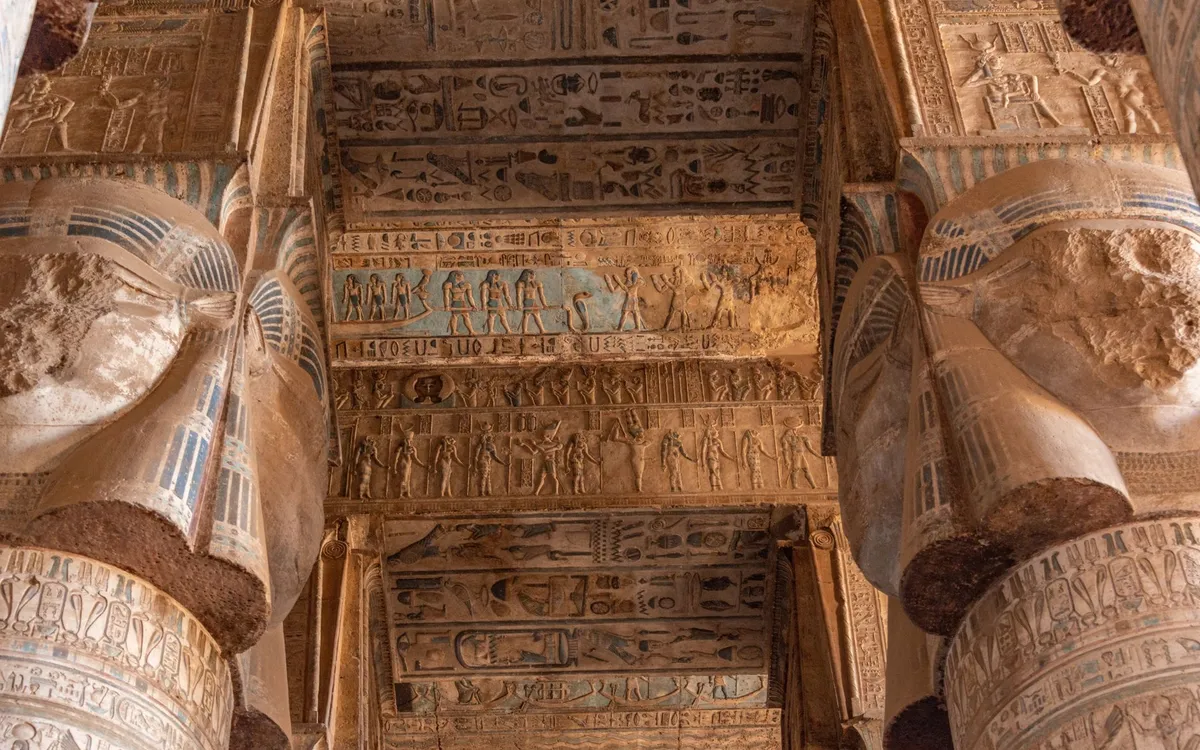
Dendera Temple Guide: Hathor's Temple and Its Painted Ceiling
Dendera dazzles with restored colour and a star-painted ceiling — one of Egypt's most complete temples, dedicated to the goddess Hathor.
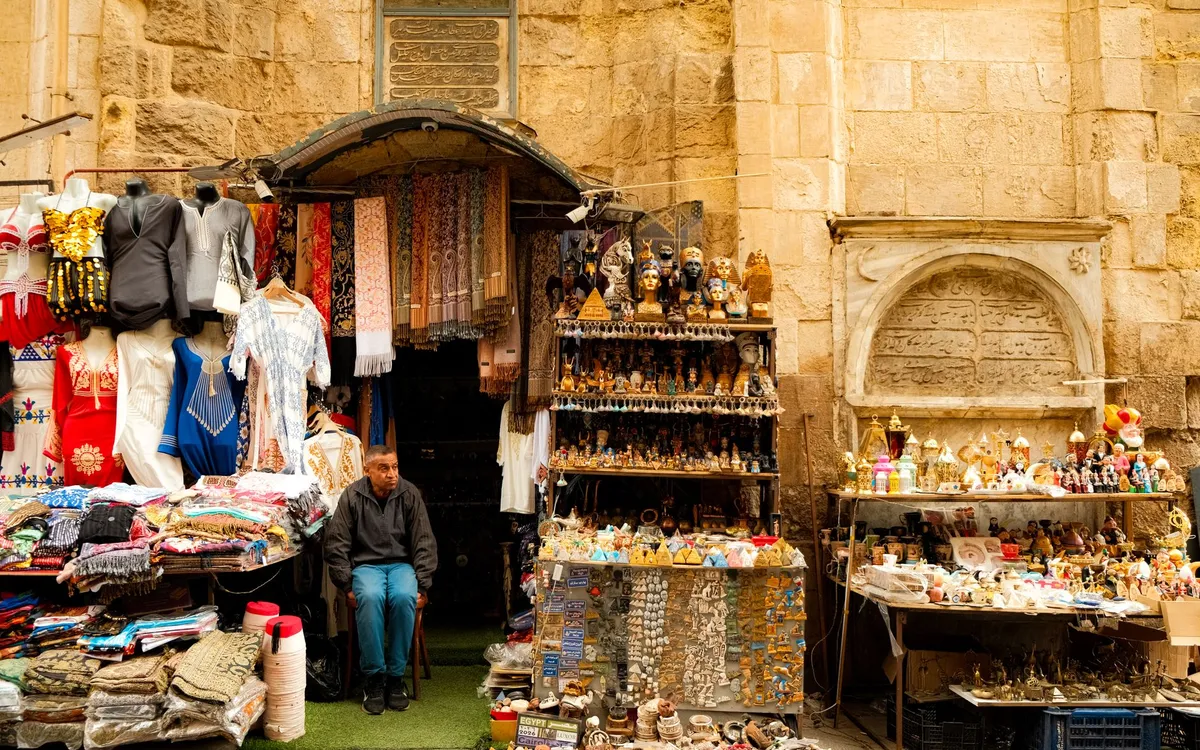
Khan el-Khalili Guide: Cairo's Historic Bazaar and How to Visit
Khan el-Khalili is Cairo's great medieval bazaar — a labyrinth of lantern-lit alleys, craftsmen, spice stalls and the legendary El Fishawy café.
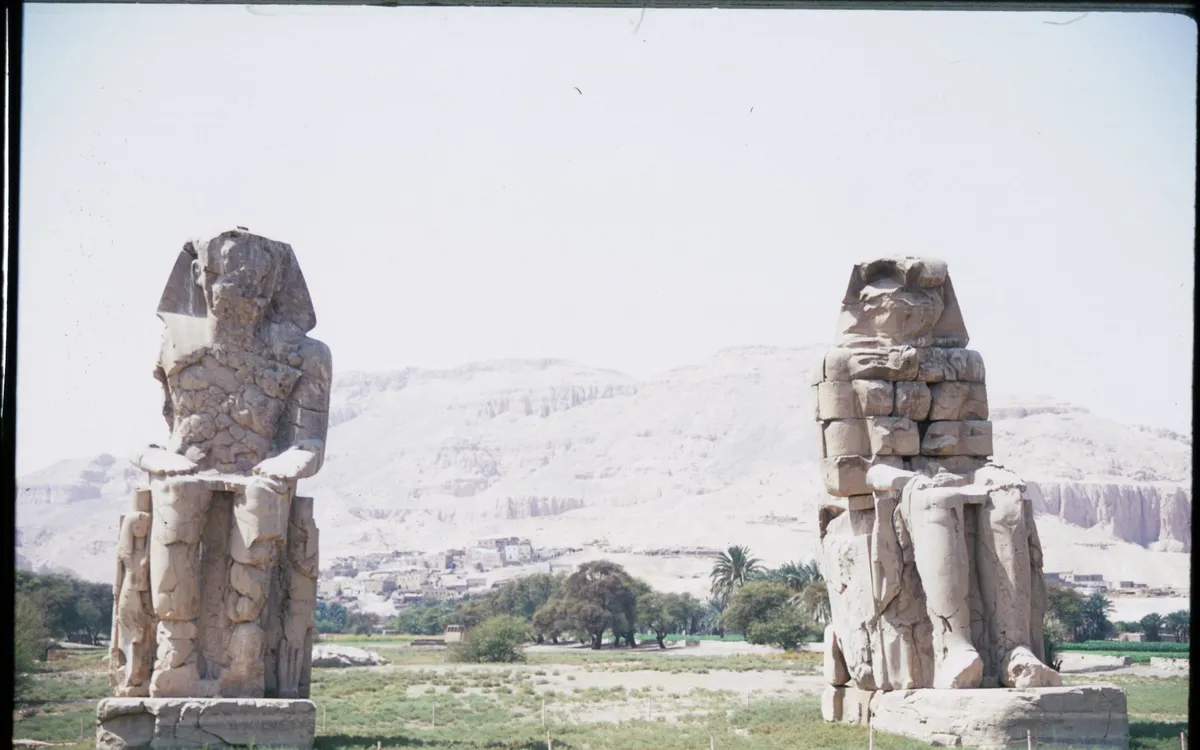
Colossi of Memnon Guide: Luxor's Twin Giants on the West Bank
Two colossal statues of Amenhotep III guard the road to Luxor's West Bank — a free, dramatic first stop on any tombs-and-temples day.