Luxor Museum: A Beautifully Curated Window into Ancient Thebes
Luxor Museum guide: a small, superbly lit collection of statues, royal mummies and Thebes treasures. What to see, opening hours, location and visiting tips.
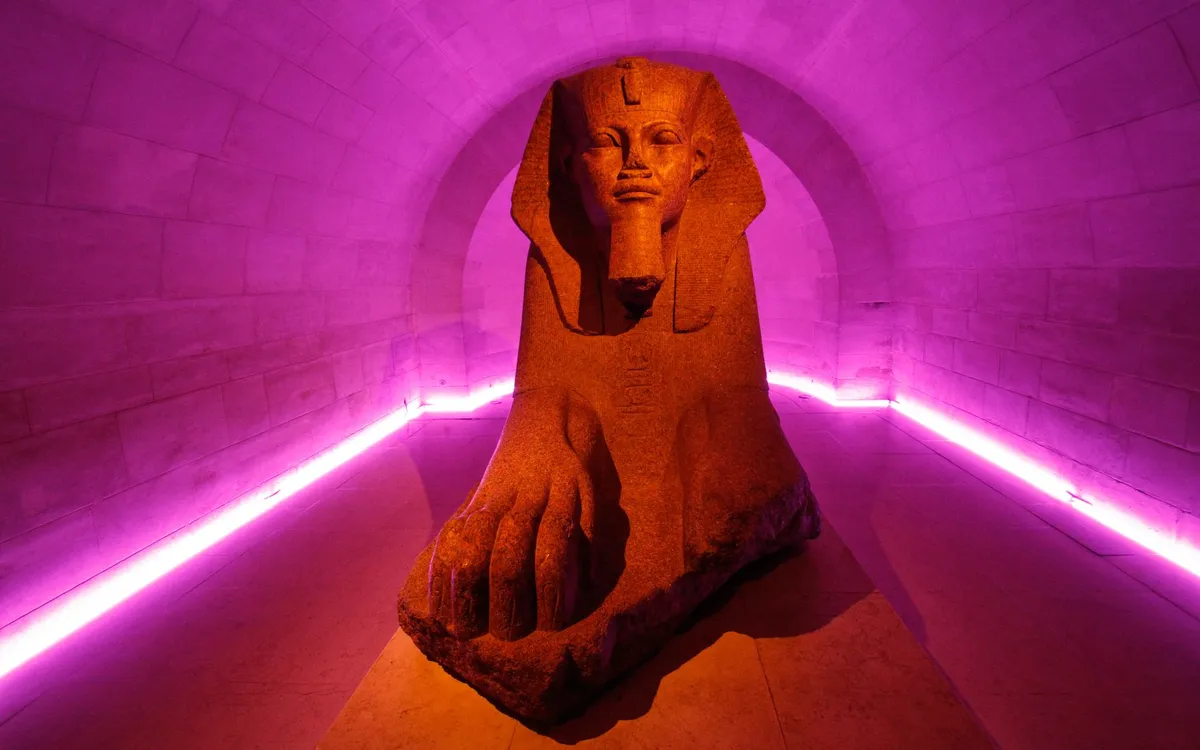
After days of vast temples and crowded tombs, the Luxor Museum is a calm and beautifully judged change of pace. Rather than overwhelming you with thousands of objects, it presents a carefully chosen collection in spacious, dramatically lit galleries. The result is one of the most enjoyable museum experiences in Egypt, and an ideal complement to the monuments of ancient Thebes all around it.
What the Luxor Museum is and why it matters
The Luxor Museum opened to display the finest finds from Luxor and its surroundings — the heartland of ancient Thebes, Egypt’s great religious capital during the New Kingdom. Its guiding idea is quality over quantity: every piece is given space, light and clear interpretation.
Many of the objects come directly from the temples and tombs you can visit nearby, including Karnak, Luxor Temple and the West Bank. Seeing a statue here that once stood in a temple you have just walked through gives the whole experience a powerful sense of connection.
What you will see
The collection spans masterpieces of sculpture, royal funerary objects and items recovered from famous local discoveries.
- Superb statuary, including refined royal and divine figures displayed against dark walls that make the stone glow.
- Objects associated with Tutankhamun, drawn from the boy king’s burial in the nearby Valley of the Kings.
- The royal mummies, presented in a dedicated, respectful display that has become one of the museum’s highlights.
- The cache of statues from Luxor Temple, a remarkable group of sculptures found buried beneath that temple’s courtyard.
Tip: the museum is at its best in the evening. Many travellers visit after the heat of the day, when the dramatic lighting feels even more atmospheric and the surrounding corniche is pleasantly cool.
Tickets and opening hours
The Luxor Museum is a ticketed attraction, and unusually for Egypt it often keeps both daytime and evening hours, closing for a break in between in some seasons. A standard museum ticket covers entry, sometimes with an additional fee for photography or for the mummy hall.
Confirm current hours and any extra fees with your hotel or guide before visiting, and buy tickets at the official desk on arrival rather than relying on prices that change. Checking the day’s schedule matters here because of the split opening times.
Getting there and how long to spend
The museum sits on the East Bank of Luxor, right on the Nile corniche between the Luxor and Karnak temples, making it very easy to reach on foot or by short taxi ride.
| Detail | What to know |
|---|---|
| Location | East Bank corniche, Luxor |
| Typical visit length | 1 to 2 hours |
| Usual base | Luxor |
| Combine with | Luxor Temple, Karnak, an evening corniche stroll |
Because it is central and compact, the museum slots easily into a half day or an evening. Allow one to two hours to enjoy it without rushing. Our plan your trip page can help you balance museum visits with the city’s temples and tombs.
Best time to visit and practical tips
The evening session is a particular pleasure, both for the cooler air and the way the lighting transforms the galleries. If you prefer a quieter visit, the late afternoon reopening is often calmer than peak morning hours.
The air-conditioned, unhurried setting also makes the Luxor Museum a welcome refuge on a hot day. Spend an hour or two here and you will leave with a deeper appreciation of the temples and tombs you have seen — and of the artistry of ancient Thebes.
Luxor Museum: A Beautifully Curated Window into Ancient Thebes
Skip the queues and secure your spot — book your tickets and tours through our trusted partner Tiqets.
Check tickets on TiqetsTickets & activities in Luxor
Some links on EgyptInterActive are affiliate links: if you book through them we may earn a commission, at no extra cost to you. It never changes our recommendations.
Keep reading
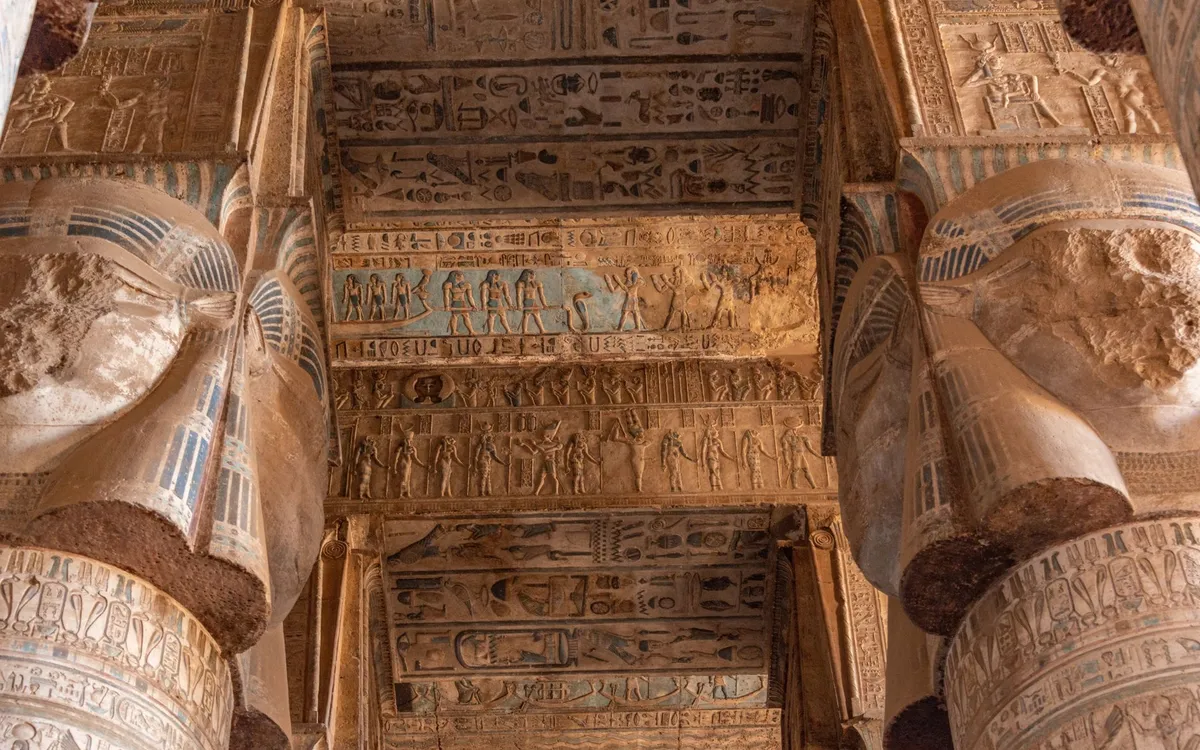
Dendera Temple Guide: Hathor's Temple and Its Painted Ceiling
Dendera dazzles with restored colour and a star-painted ceiling — one of Egypt's most complete temples, dedicated to the goddess Hathor.
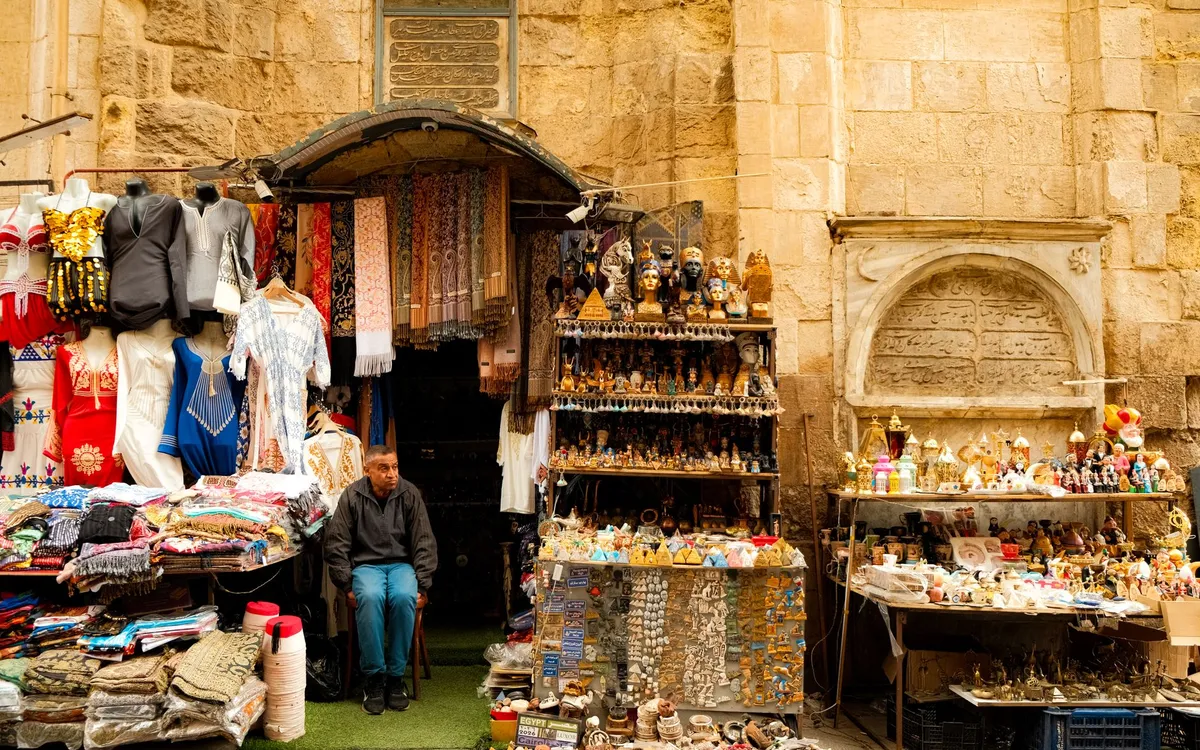
Khan el-Khalili Guide: Cairo's Historic Bazaar and How to Visit
Khan el-Khalili is Cairo's great medieval bazaar — a labyrinth of lantern-lit alleys, craftsmen, spice stalls and the legendary El Fishawy café.
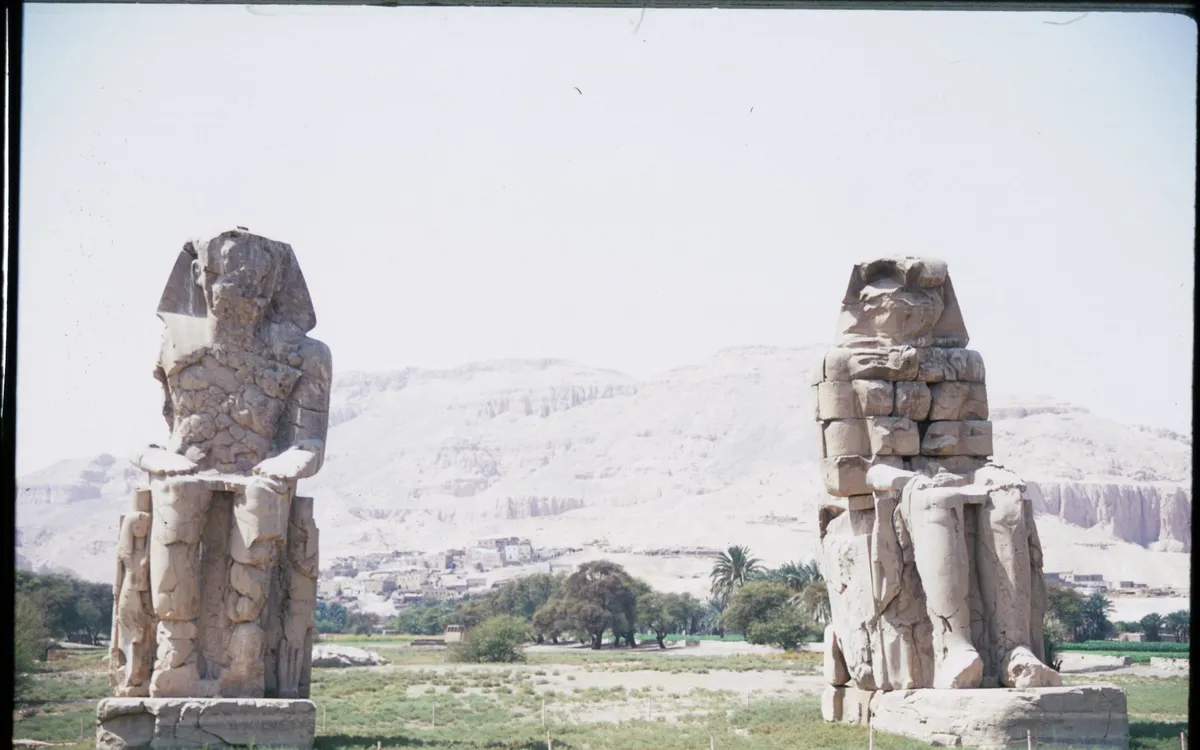
Colossi of Memnon Guide: Luxor's Twin Giants on the West Bank
Two colossal statues of Amenhotep III guard the road to Luxor's West Bank — a free, dramatic first stop on any tombs-and-temples day.