St Catherine's Monastery and Mount Sinai: A Visitor's Guide
A St Catherine's Monastery and Mount Sinai guide: the world's oldest working monastery, the Burning Bush, the sunrise hike, what to see, tickets, access and safety tips.
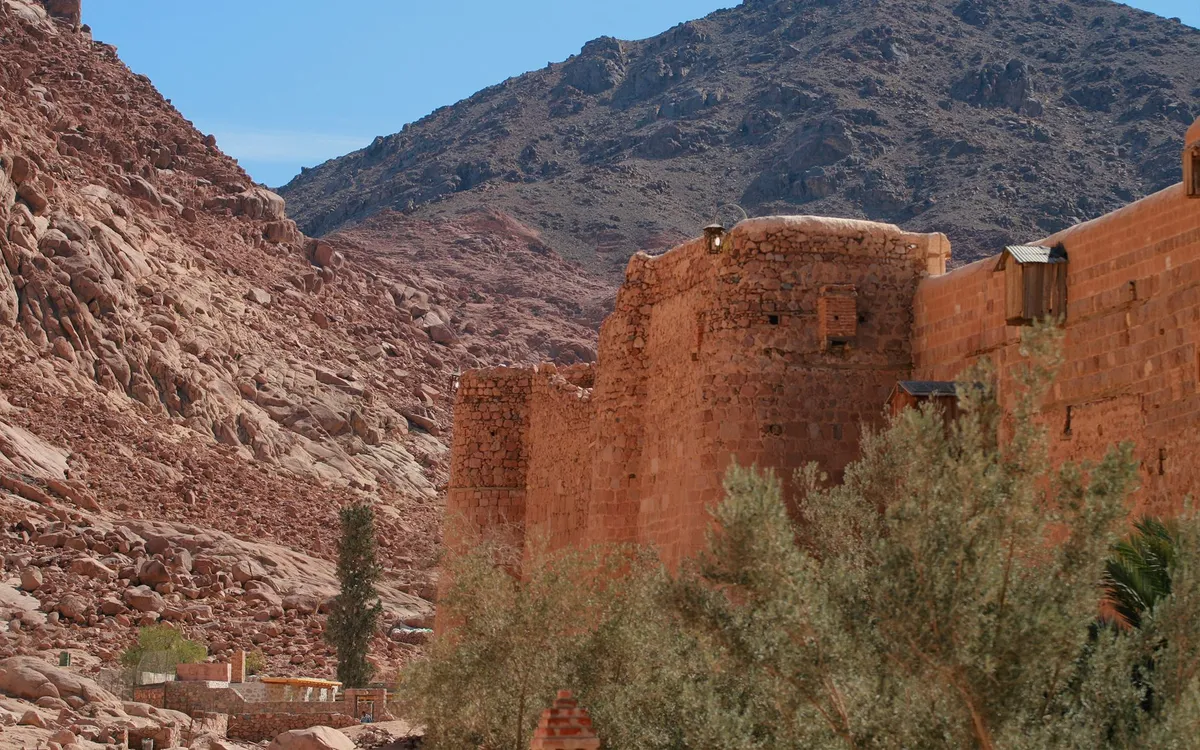
High in the rugged mountains of South Sinai stands one of Christianity’s most venerable sites: St Catherine’s Monastery, among the oldest continuously inhabited monasteries in the world. It sits at the foot of Mount Sinai, the peak traditionally associated with Moses and the giving of the Ten Commandments, and many visitors climb it in darkness to reach the summit for sunrise. This guide explains what the monastery is, what you see, the famous hike and the practical and safety points to plan around.
What the monastery is and its history
St Catherine’s Monastery was founded in the 6th century and has been a place of Christian worship and monastic life ever since, making it one of the oldest working monasteries on Earth. It is a Greek Orthodox monastery and a UNESCO World Heritage Site, treasured for its extraordinary continuity, its library of ancient manuscripts and its collection of early religious art.
At its heart, according to long tradition, grows the Burning Bush of the Book of Exodus, the bush from which God is said to have spoken to Moses. The monastery rose around this revered spot. Surrounded by high granite mountains and built like a fortress, it has survived for some fifteen centuries in one of the most remote and dramatic landscapes in Egypt.
What you see at the monastery
The monastery is a working religious community, so access for visitors is to specific areas and at set times, and respectful behaviour is essential. Highlights generally include:
- The Church of the Transfiguration — the monastery’s ancient basilica, richly decorated.
- The Burning Bush — the living bush traditionally identified with the Exodus account.
- The fortified walls — the imposing stone defences that have protected the community for centuries.
- Sacred art and manuscripts — early icons and a celebrated library, with displays for visitors where permitted.
Tip: this is an active monastery with limited visiting hours, and it closes to visitors on certain religious days. Confirm opening times before travelling, dress modestly with shoulders and knees covered, and keep noise to a minimum.
Mount Sinai and the sunrise hike
Many travellers come to climb Mount Sinai itself, setting off in the small hours to reach the summit for dawn. There are two main routes: the longer, gentler camel path and the steeper “Steps of Repentance.” Reaching the top for sunrise over the Sinai mountains is, for many, the highlight of the whole trip.
This is a serious mountain undertaking, not a casual stroll. The ascent is long, the path is dark and uneven, and temperatures at altitude can drop sharply, even when the days are warm. Hike with a licensed local Bedouin guide, carry warm layers, water, sturdy footwear and a headtorch, and go at a steady pace. Conditions and safety advice in Sinai can change, so check the latest official travel guidance from your government before planning a trip to this region, and follow local instructions.
Getting there and how long to stay
The monastery lies in the interior mountains of South Sinai, reached by road from resorts such as Sharm el-Sheikh or Dahab, often on an organised overnight or early-morning excursion timed around the monastery’s hours and the sunrise climb.
| Practicality | What to know |
|---|---|
| Location | Interior mountains, South Sinai |
| Access | Road from Sharm el-Sheikh or Dahab |
| Time needed | Overnight or long day trip |
| Best paired with | The Mount Sinai sunrise hike |
Because the monastery’s visiting window is limited and the climb is done before dawn, most people treat the visit as an overnight or very long day trip rather than a quick stop.
Best time to visit and practical tips
The cooler months are more comfortable for the daytime monastery visit, while nights and the summit are cold year-round, so warm layers are essential for the hike whatever the season. Respect the monastery’s dress code and quiet, and remember it may be closed to visitors on religious holidays.
For help building a Sinai itinerary around the monastery and the sunrise climb, see our plan your trip page, and always check current official safety advice before travelling to the region. Approached with proper preparation and respect, St Catherine’s offers something rare in Egypt: a living link to fifteen centuries of unbroken devotion, set beneath a mountain steeped in story.
St Catherine's Monastery and Mount Sinai: A Visitor's Guide
Skip the queues and secure your spot — book your tickets and tours through our trusted partner Tiqets.
Check tickets on TiqetsTickets & activities in Hurghada
Some links on EgyptInterActive are affiliate links: if you book through them we may earn a commission, at no extra cost to you. It never changes our recommendations.
Keep reading
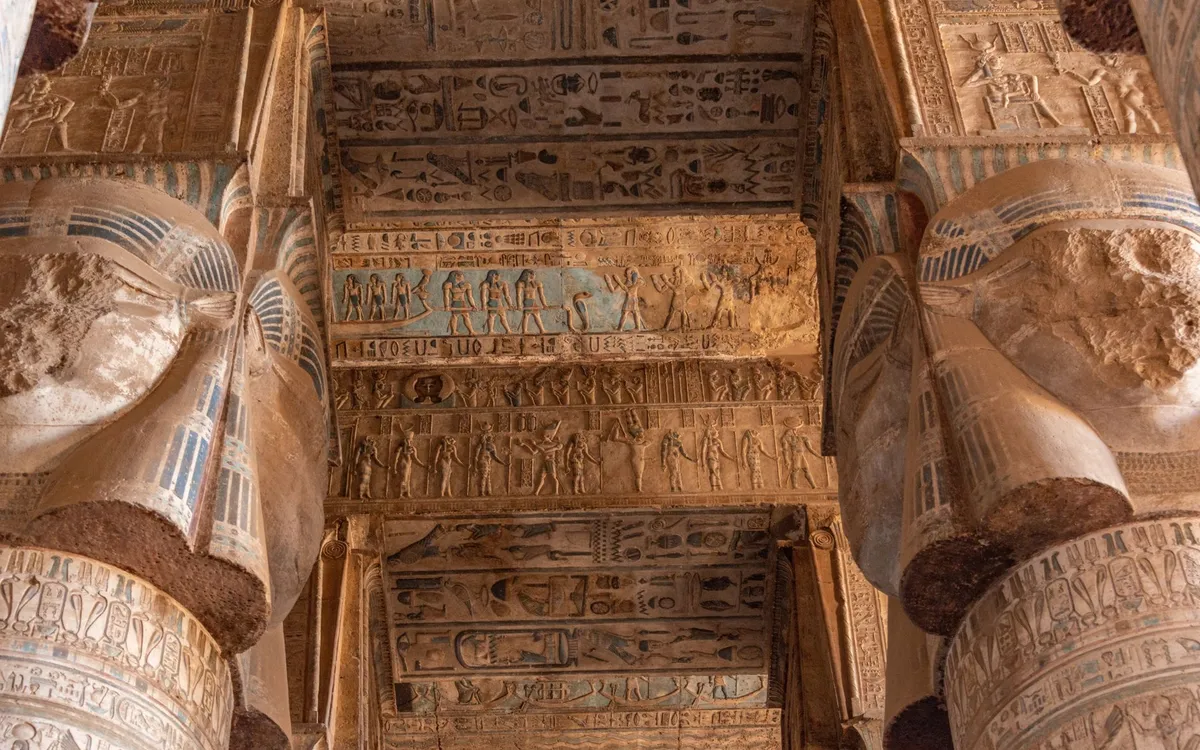
Dendera Temple Guide: Hathor's Temple and Its Painted Ceiling
Dendera dazzles with restored colour and a star-painted ceiling — one of Egypt's most complete temples, dedicated to the goddess Hathor.
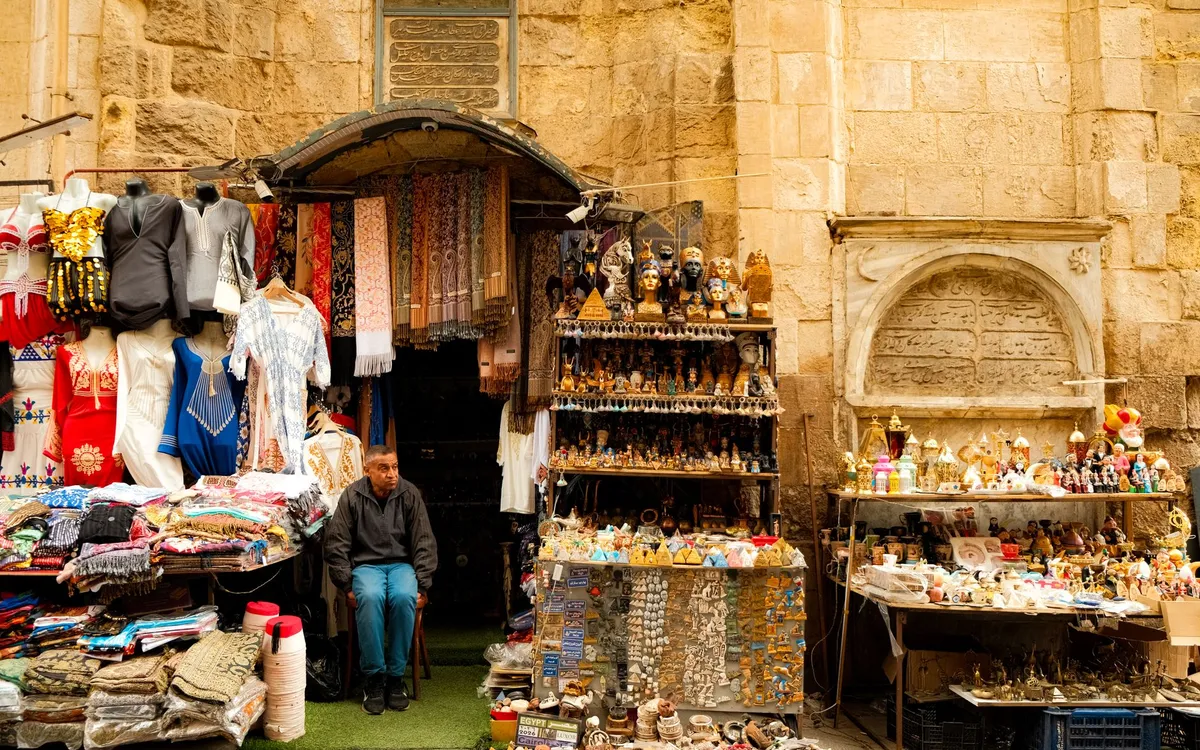
Khan el-Khalili Guide: Cairo's Historic Bazaar and How to Visit
Khan el-Khalili is Cairo's great medieval bazaar — a labyrinth of lantern-lit alleys, craftsmen, spice stalls and the legendary El Fishawy café.
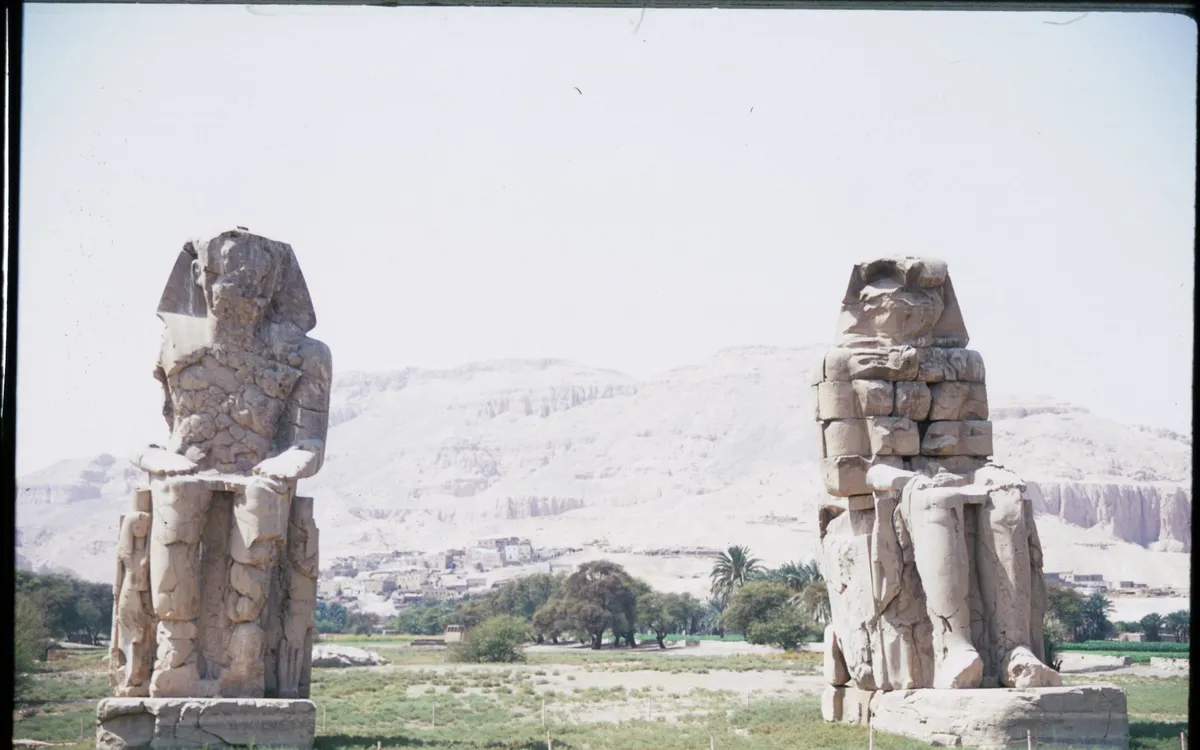
Colossi of Memnon Guide: Luxor's Twin Giants on the West Bank
Two colossal statues of Amenhotep III guard the road to Luxor's West Bank — a free, dramatic first stop on any tombs-and-temples day.