Temple of Hatshepsut Guide: Deir el-Bahari Tickets and What to See
A practical Temple of Hatshepsut guide for Luxor's West Bank: the terraced Deir el-Bahari design, the queen-pharaoh's story, tickets, access and the best time to visit.
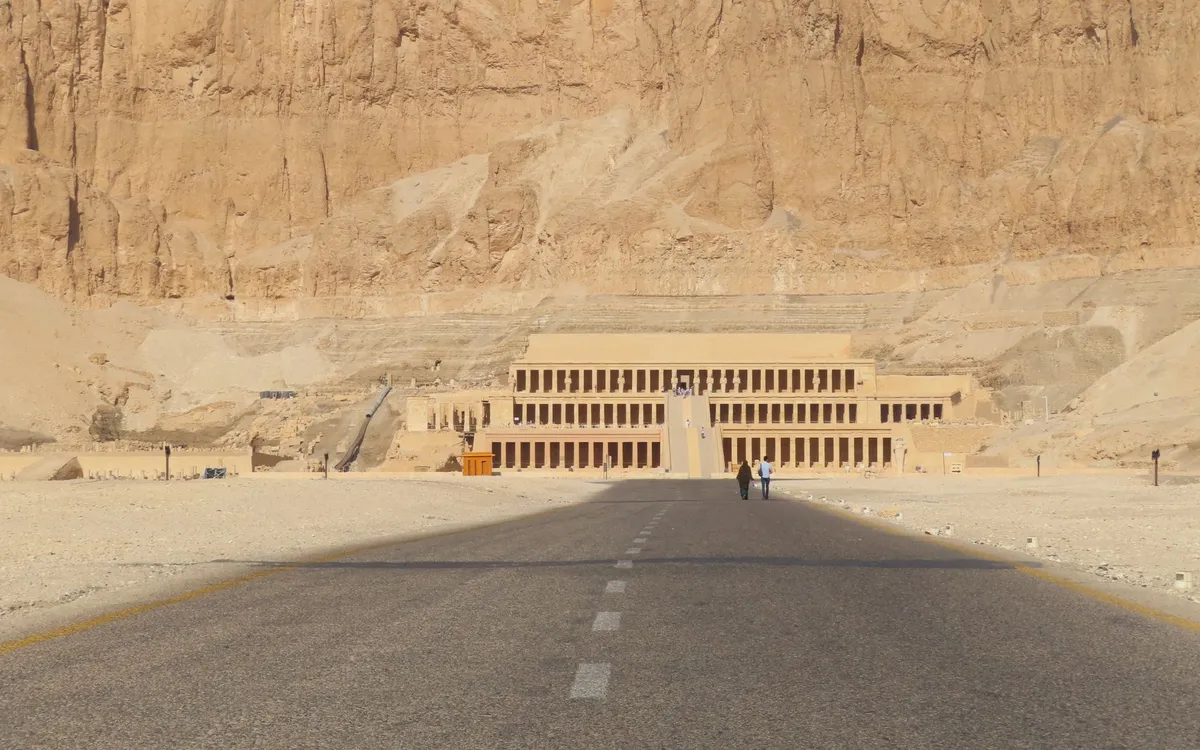
Few monuments in Egypt make as instant an impression as the Temple of Hatshepsut. Rising in three colonnaded terraces against towering golden cliffs on the West Bank of Luxor, it looks startlingly modern despite being roughly 3,500 years old. It was built for one of the most remarkable rulers in Egyptian history — a woman who ruled as pharaoh. This guide explains what you see, why it matters, and how to plan your visit.
What the temple is and the queen who built it
The temple sits at Deir el-Bahari, a natural bay in the cliffs on the West Bank, opposite modern Luxor. It was built as the mortuary temple of Hatshepsut, who ruled in the 15th century BCE during the New Kingdom’s 18th Dynasty. She was one of very few women to take the full title of pharaoh, and she presided over a prosperous, peaceful reign known for trade and ambitious building projects.
Her architect, Senenmut, designed a temple radically different from the heavy pylons of other sites. Its clean horizontal terraces echo the lines of the cliffs behind, blending architecture into landscape. After her death, later rulers tried to erase her name and image from many monuments, which is why some reliefs here show deliberate damage — a quiet reminder of how contested her legacy once was.
What you see at Deir el-Bahari
You approach along a causeway and climb a series of ramps connecting three broad terraces. Each level rewards a closer look:
- The colonnaded terraces — the temple’s signature feature, with rows of square pillars framing long views back toward the Nile valley.
- The Punt Colonnade — reliefs recording Hatshepsut’s famous trading expedition to the Land of Punt, complete with ships, exotic goods and animals.
- The Birth Colonnade — scenes asserting her divine right to rule.
- The Chapel of Hathor and the Chapel of Anubis — well-preserved side shrines with surviving colour on the reliefs.
- The sanctuary cut into the rock at the highest level.
Tip: there is almost no shade on the terraces and the pale stone reflects the sun fiercely. Come right at opening time — the light is gentler, the heat bearable, and you beat the tour buses arriving from the cruise boats.
Tickets and opening hours
The Temple of Hatshepsut is open daily, with hours that vary by season. Tickets are sold at the West Bank ticket area, and antiquities access is managed by the Ministry of Tourism and Antiquities, with reduced student rates on presentation of valid ID. Rather than rely on prices that change, buy on site or through an official operator and confirm current rates when you arrive.
A small electric shuttle train runs from the car park to the temple entrance for a modest charge, which is welcome in the heat. Many visitors come as part of a guided West Bank tour that bundles several sites together.
Getting there and how long to stay
Deir el-Bahari is on Luxor’s West Bank, reached by crossing the Nile from the city. Most visitors arrive by taxi or organised tour, and the temple pairs naturally with the nearby Valley of the Kings and the Colossi of Memnon.
| Practicality | What to know |
|---|---|
| Location | Deir el-Bahari, Luxor West Bank |
| Time needed | 1 to 1.5 hours |
| Best paired with | Valley of the Kings, Colossi of Memnon |
| Watch out for | Strong sun, little shade |
Plan on around an hour to ninety minutes to walk the terraces and study the reliefs without rushing. Combined with the Valley of the Kings, it makes a full and rewarding West Bank morning.
Best time to visit and practical tips
The cooler season from October to April is the most comfortable, and early morning is best at any time of year because of the exposed terraces. Bring water, a hat, sunscreen and good walking shoes for the ramps.
For help building a West Bank day around Hatshepsut’s temple and the royal tombs, see our plan your trip page. Take your time on the upper terrace, look closely at the surviving paint in the side chapels, and turn around for the view back across the valley — the contrast of geometric architecture against raw cliff is the image of this temple you will remember.
Temple of Hatshepsut Guide: Deir el-Bahari Tickets and What to See
Skip the queues and secure your spot — book your tickets and tours through our trusted partner Tiqets.
Check tickets on TiqetsTickets & activities in Luxor
Some links on EgyptInterActive are affiliate links: if you book through them we may earn a commission, at no extra cost to you. It never changes our recommendations.
Keep reading
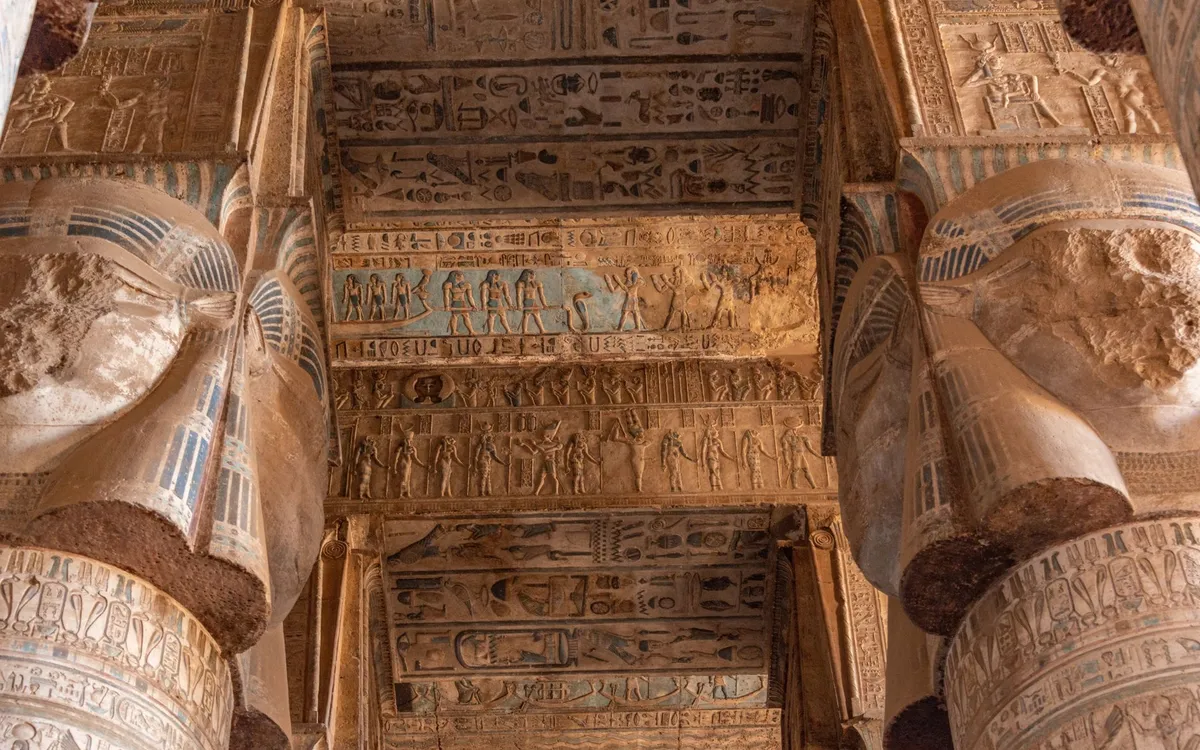
Dendera Temple Guide: Hathor's Temple and Its Painted Ceiling
Dendera dazzles with restored colour and a star-painted ceiling — one of Egypt's most complete temples, dedicated to the goddess Hathor.
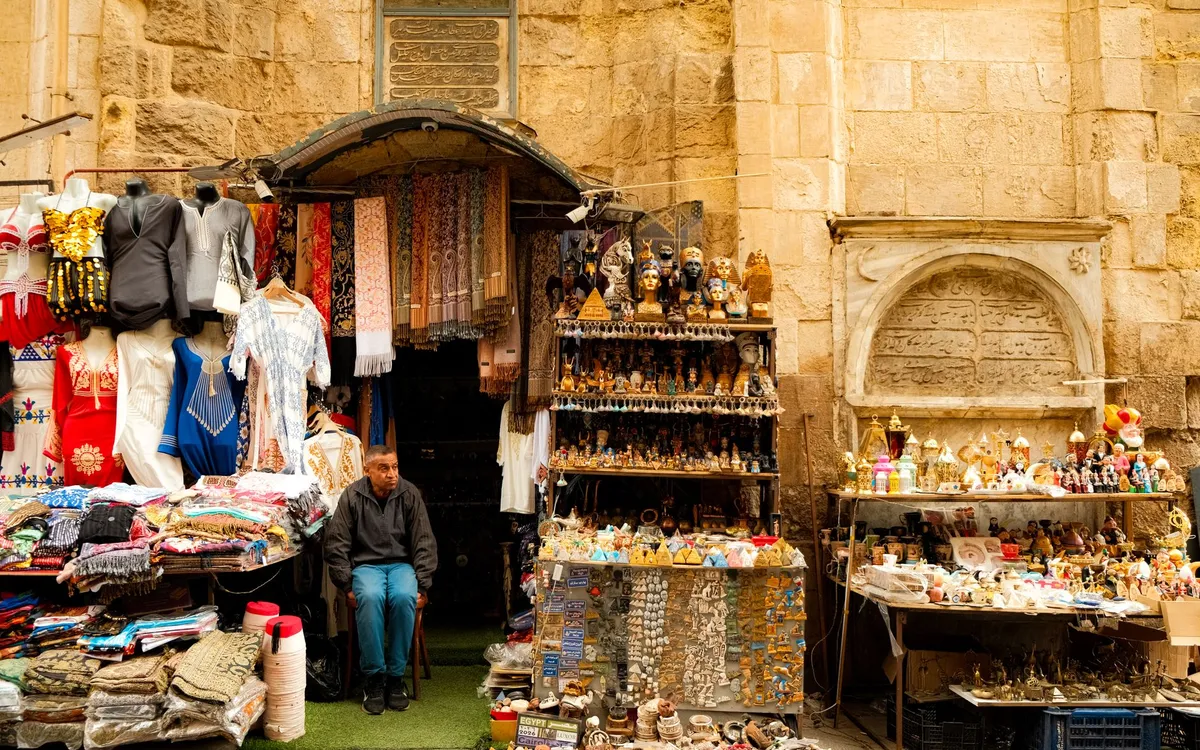
Khan el-Khalili Guide: Cairo's Historic Bazaar and How to Visit
Khan el-Khalili is Cairo's great medieval bazaar — a labyrinth of lantern-lit alleys, craftsmen, spice stalls and the legendary El Fishawy café.
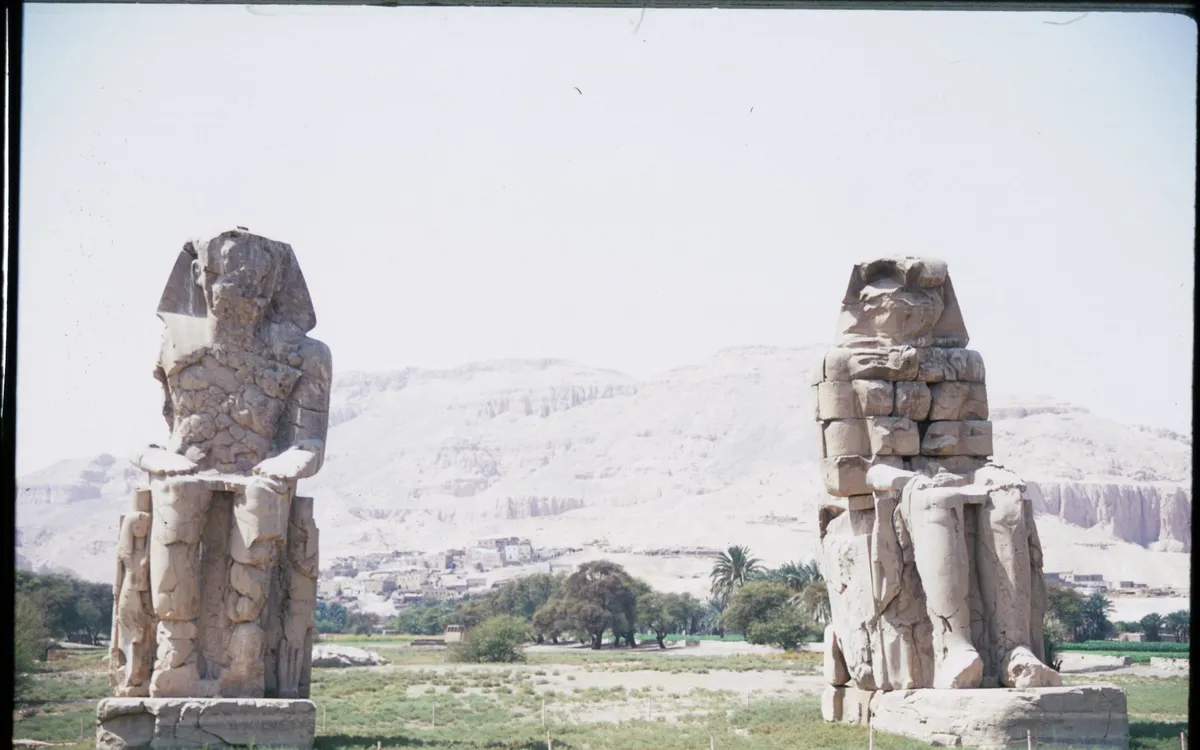
Colossi of Memnon Guide: Luxor's Twin Giants on the West Bank
Two colossal statues of Amenhotep III guard the road to Luxor's West Bank — a free, dramatic first stop on any tombs-and-temples day.