The Ramesseum: Ramesses II's Temple and the Fallen Colossus
The Ramesseum guide: Ramesses II's mortuary temple on Luxor's West Bank, the toppled colossus that inspired Shelley's Ozymandias, what to see and visiting tips.
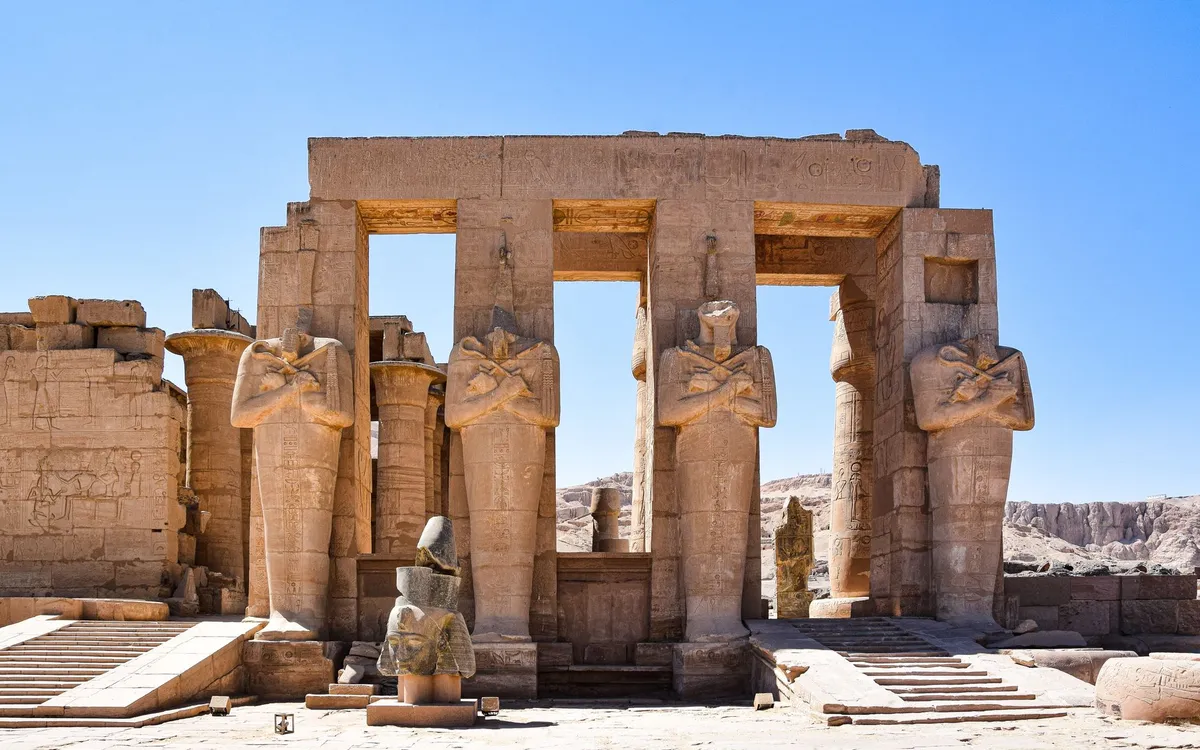
On the West Bank of the Nile at Luxor, half-fallen columns and a colossal broken statue mark the Ramesseum, the mortuary temple of Ramesses II. It is one of the most atmospheric ruins in Egypt, and the toppled giant at its heart inspired one of the most famous poems in the English language. Quieter than the great temples across the river, the Ramesseum rewards visitors who love romance and history in equal measure.
What the Ramesseum is and why it matters
The Ramesseum was the memorial temple of Ramesses II, the long-reigning Nineteenth Dynasty pharaoh often called Ramesses the Great. Built to honour the king and the god Amun and to sustain his cult after death, it was a vast complex with pylons, courts, a great hypostyle hall and surrounding mud-brick storerooms.
Ramesses II was one of Egypt’s most prolific builders, and the Ramesseum was conceived on a scale to match his ambition. Over the centuries, earthquakes, flooding from the nearby Nile and the reuse of stone reduced much of it to ruin, but enough survives to convey its original grandeur.
The fallen colossus and Ozymandias
The temple’s most famous feature is an enormous fallen statue of Ramesses II, carved from a single block of granite and now broken across the ground. Estimates of its original size place it among the largest free-standing statues ever made in Egypt.
It was this shattered giant, described by early travellers, that inspired Percy Bysshe Shelley’s 1818 poem “Ozymandias” — “Ozymandias” being a Greek rendering of one of Ramesses II’s royal names. Shelley’s lines about a ruined “king of kings,” with “nothing beside remains,” capture the melancholy grandeur that still defines the site. Standing beside the real stone face, half-sunk in the sand, is a genuinely moving experience.
What you will see
- The colossal fallen statue of Ramesses II, its head, torso and limbs scattered where they fell.
- The standing columns of the hypostyle hall, some still bearing carved and painted decoration.
- Reliefs of the Battle of Kadesh, recording Ramesses II’s celebrated campaign against the Hittites.
- The vaulted mud-brick storerooms behind the temple, a rare surviving example of ancient Egyptian utilitarian architecture.
Tip: take time to read Shelley’s short poem before or during your visit. Reading it beside the actual fallen colossus turns a pleasant ruin into one of the most evocative stops on the West Bank.
Tickets and opening hours
The Ramesseum is a ticketed site with standard daytime opening hours, generally from morning until late afternoon. A single temple ticket covers admission.
Buy tickets at the official on-site box office or through recognised channels rather than relying on prices that change over time, and confirm the day’s hours with your hotel or guide before setting out. If you are visiting several West Bank monuments, ask whether any combined options apply.
Getting there and how long to spend
The Ramesseum lies on the West Bank of Luxor, between the Colossi of Memnon and the road up to the Valley of the Kings, making it easy to combine with the area’s other sites.
| Detail | What to know |
|---|---|
| Location | West Bank of Luxor |
| Typical visit length | 45 minutes to 1 hour |
| Usual base | Luxor |
| Combine with | Colossi of Memnon, Valley of the Kings, Medinet Habu |
Most visitors arrive by private driver, taxi or tour as part of a wider West Bank day, crossing the Nile by bridge or ferry. The Ramesseum is compact enough to see in under an hour but atmospheric enough to linger. See our plan your trip page for help fitting it into a full day.
Best time to visit and practical tips
Come in the morning for cooler air and softer light on the broken stone, ideally in the comfortable autumn-to-spring season. The site is open and largely unshaded, so a hat, sunglasses and water are essential.
Because it draws fewer crowds than Karnak or the royal tombs, the Ramesseum often feels peaceful and unhurried. Pair its romantic ruins with the poem that made them famous, and this becomes one of the most quietly memorable corners of Luxor’s West Bank.
The Ramesseum: Ramesses II's Temple and the Fallen Colossus
Skip the queues and secure your spot — book your tickets and tours through our trusted partner Tiqets.
Check tickets on TiqetsTickets & activities in Luxor
Some links on EgyptInterActive are affiliate links: if you book through them we may earn a commission, at no extra cost to you. It never changes our recommendations.
Keep reading
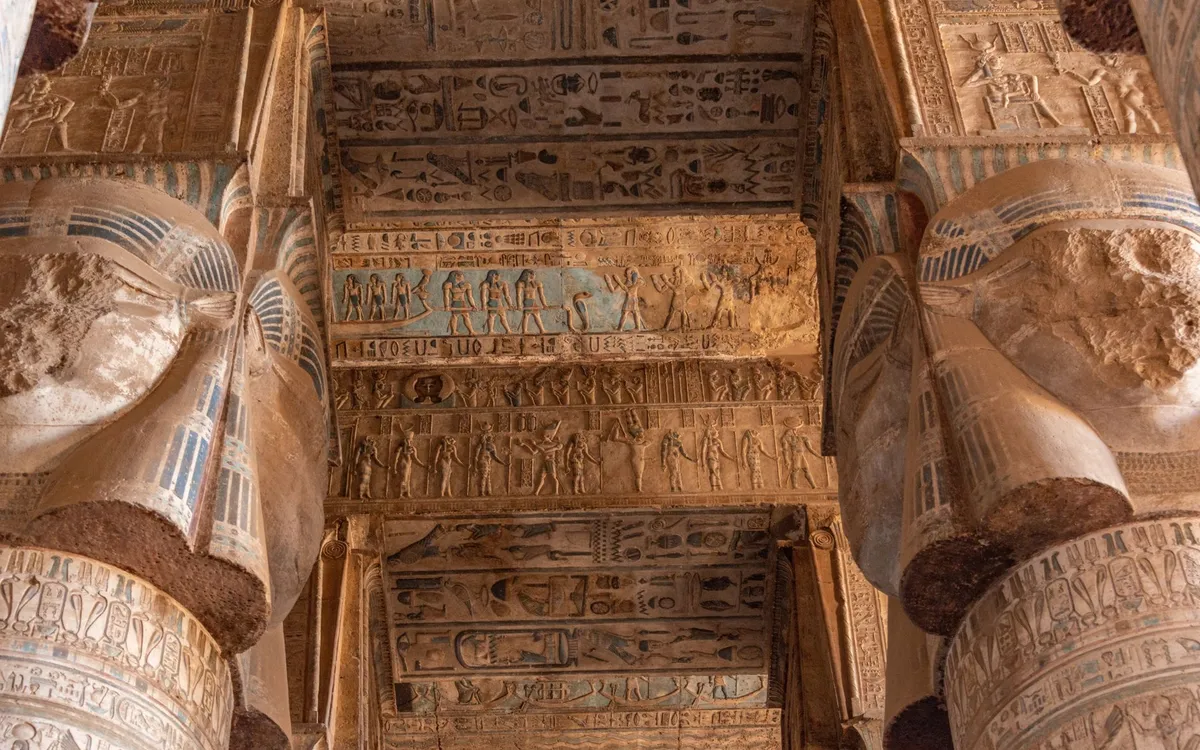
Dendera Temple Guide: Hathor's Temple and Its Painted Ceiling
Dendera dazzles with restored colour and a star-painted ceiling — one of Egypt's most complete temples, dedicated to the goddess Hathor.
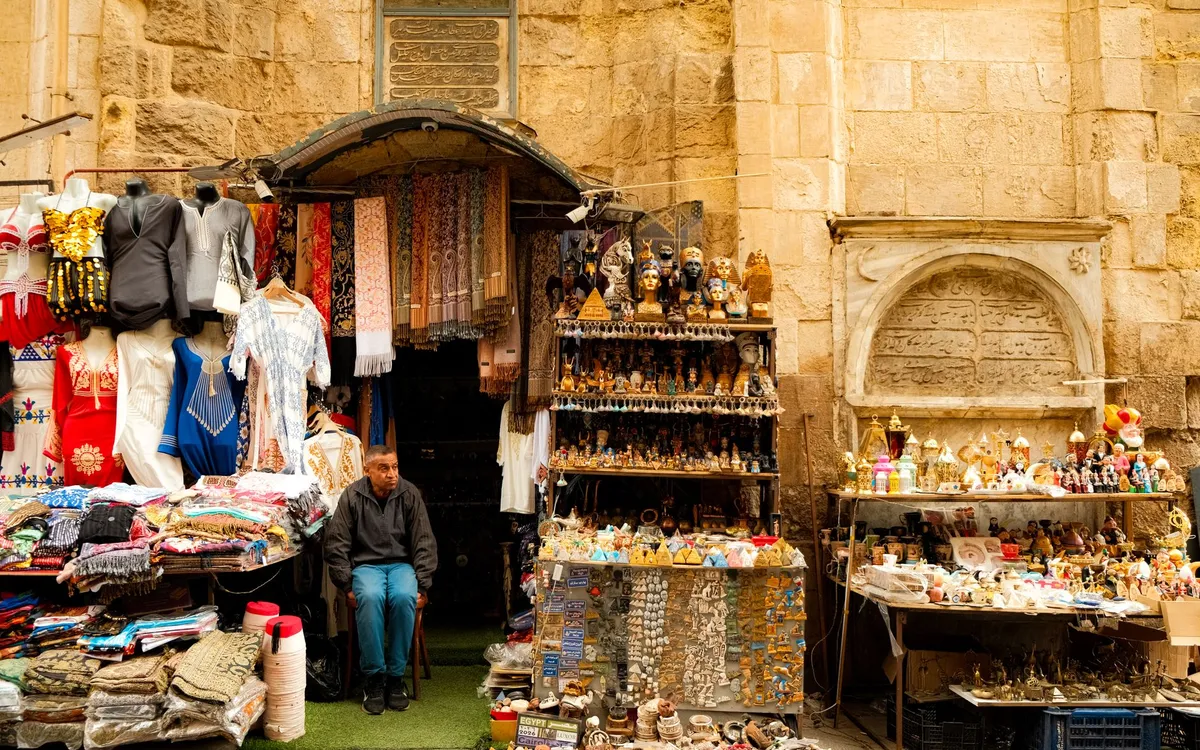
Khan el-Khalili Guide: Cairo's Historic Bazaar and How to Visit
Khan el-Khalili is Cairo's great medieval bazaar — a labyrinth of lantern-lit alleys, craftsmen, spice stalls and the legendary El Fishawy café.
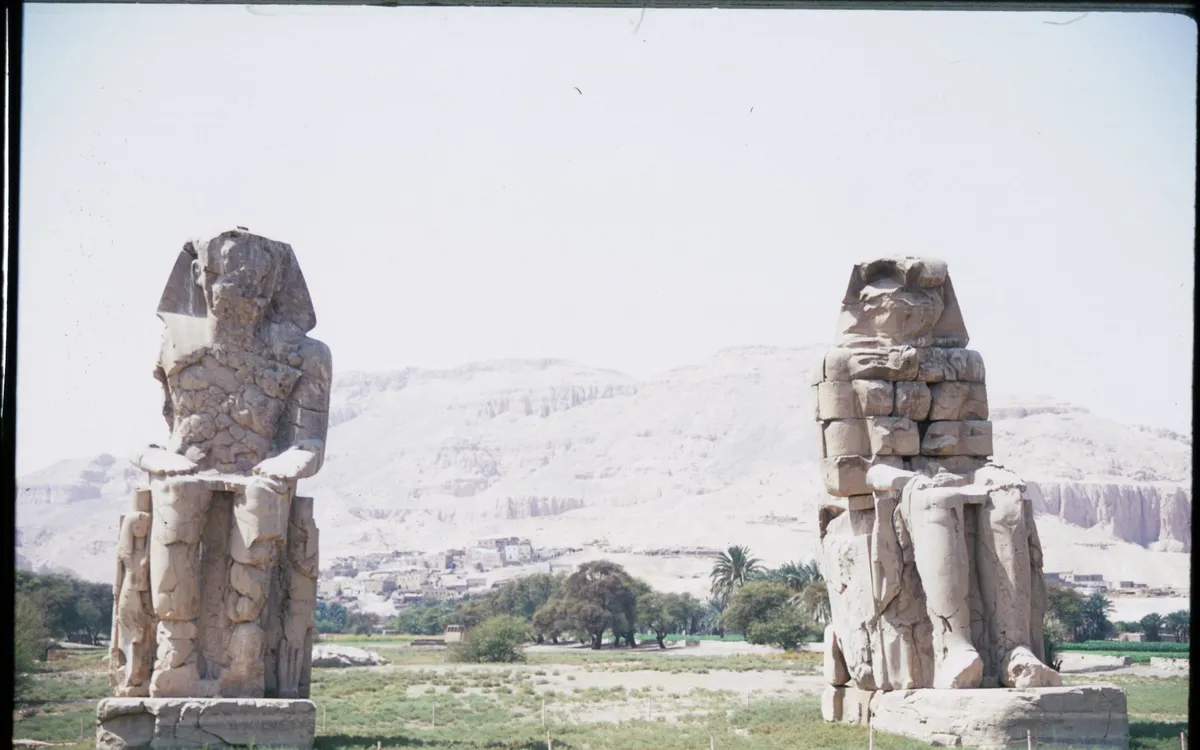
Colossi of Memnon Guide: Luxor's Twin Giants on the West Bank
Two colossal statues of Amenhotep III guard the road to Luxor's West Bank — a free, dramatic first stop on any tombs-and-temples day.