The Unfinished Obelisk of Aswan: Ancient Granite Quarry Guide
An Unfinished Obelisk guide in Aswan: how ancient Egyptians cut giant obelisks from granite, what went wrong, what you see in the quarry, tickets and the best time to visit.
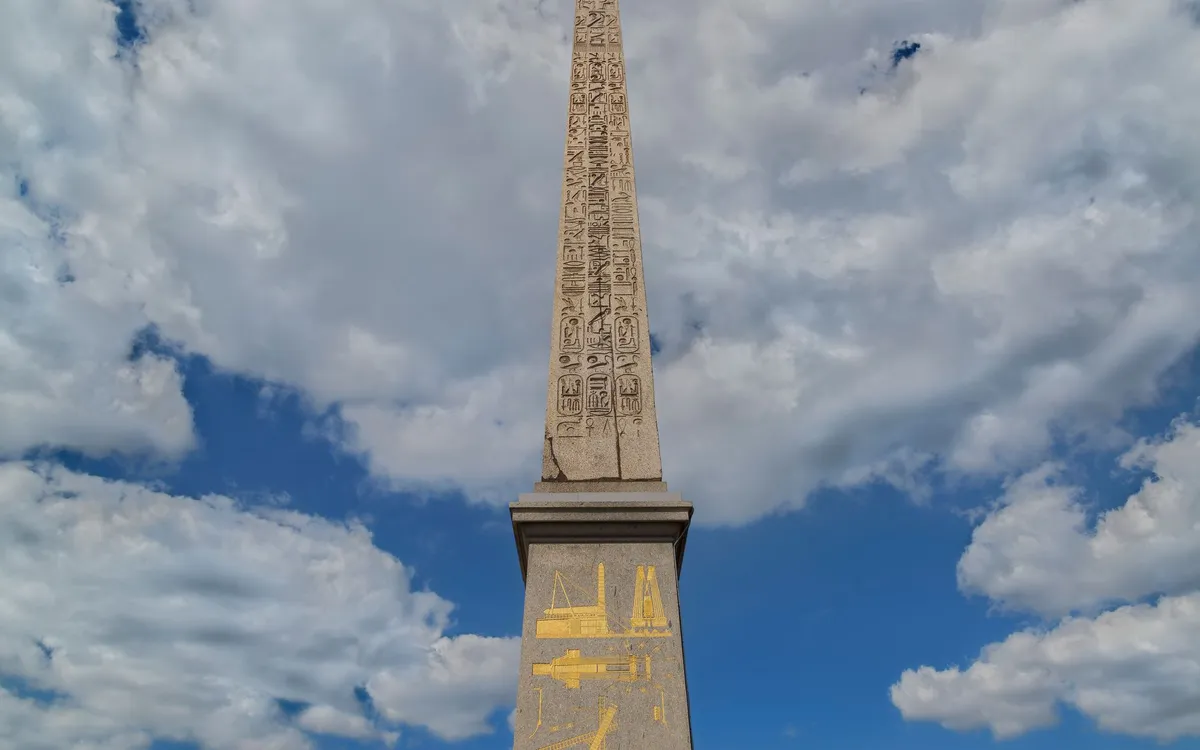
Most of Egypt’s great monuments show you the finished masterpiece. The Unfinished Obelisk in Aswan does the opposite: it freezes an ancient worksite mid-task, showing exactly how the Egyptians cut colossal obelisks from solid granite. Lying on its side, still attached to the bedrock it was carved from, it is one of the most revealing archaeological sites in the country — a workshop, not a trophy. This guide explains what it is, how the work was done and how to visit.
What it is and the story of the abandoned obelisk
The Unfinished Obelisk lies in the ancient granite quarries of Aswan, the source of the hard red stone prized across Egypt for statues, sarcophagi and obelisks. Had it been completed, this single block would have been one of the largest obelisks ever raised — a monolith of extraordinary size intended to stand at a temple.
It never rose. As the workers cut deep into the bedrock, cracks appeared in the granite, fatal flaws that would have doomed the finished monument. Work was abandoned, and the obelisk was left exactly where it lay, half-separated from the living rock. That failure is precisely why the site is so valuable today: a finished obelisk tells you nothing about the process, but an abandoned one reveals every stage.
How the ancient Egyptians cut obelisks
Walking around the obelisk, you can read the techniques the quarry workers used, still visible in the stone:
- Pounding the granite — workers used balls of dolerite, a stone harder than granite, to bruise and grind narrow trenches around the block.
- Separating the monolith — channels were cut down the sides to free the obelisk from the bedrock beneath.
- Working without iron tools — this was achieved with stone tools, copper implements, abrasives and immense patience, long before iron was common.
- Reading the marks — you can still see the rounded trenches and tool traces left by this slow, methodical labour.
Tip: bring a guide or read up beforehand. To an untrained eye it can look like a large groove in the rock; understood properly, it is an open textbook on ancient engineering.
What you see and tickets
The site is essentially an open-air quarry. A walkway leads you around and above the obelisk so you can appreciate its scale and the trenches cut around it. Information panels and a small visitor area help explain the process. Because it is compact, it does not take long to see, but the insight it offers is out of all proportion to its size.
A ticket is required, with reduced student rates on presentation of valid ID, and the site is managed by the Ministry of Tourism and Antiquities. Rather than quote prices that change, buy on site or through an official channel and confirm current rates locally.
Getting there and how long to stay
The quarry sits on the edge of Aswan, very close to the city, and is almost always combined with the High Dam and Philae Temple into a single half-day tour by taxi or with a guide.
| Practicality | What to know |
|---|---|
| Location | Granite quarries, edge of Aswan |
| Access | Taxi or guided tour |
| Time needed | 30 to 45 minutes |
| Best paired with | Aswan High Dam, Philae Temple |
Half an hour to forty-five minutes is plenty to walk the site and take it in, which is why it slots neatly into a wider Aswan excursion rather than standing alone.
Best time to visit and practical tips
The quarry is open and exposed, with almost no shade, and Aswan’s granite radiates heat, so the cooler months from October to April and an early-morning slot make for a much more comfortable visit. Wear sturdy shoes for the uneven rock, and bring water, a hat and sun protection.
For help fitting the Unfinished Obelisk into an Aswan day alongside the High Dam and Philae, see our plan your trip page. Take your time tracing the trenches and tool marks: you are standing inside an ancient worksite, looking at the exact moment when one of humanity’s most ambitious stoneworking projects was halted by a single crack.
The Unfinished Obelisk of Aswan: Ancient Granite Quarry Guide
Skip the queues and secure your spot — book your tickets and tours through our trusted partner Tiqets.
Check tickets on TiqetsTickets & activities in Luxor
Some links on EgyptInterActive are affiliate links: if you book through them we may earn a commission, at no extra cost to you. It never changes our recommendations.
Keep reading
Dendera Temple Guide: Hathor's Temple and Its Painted Ceiling
Dendera dazzles with restored colour and a star-painted ceiling — one of Egypt's most complete temples, dedicated to the goddess Hathor.
Khan el-Khalili Guide: Cairo's Historic Bazaar and How to Visit
Khan el-Khalili is Cairo's great medieval bazaar — a labyrinth of lantern-lit alleys, craftsmen, spice stalls and the legendary El Fishawy café.
Colossi of Memnon Guide: Luxor's Twin Giants on the West Bank
Two colossal statues of Amenhotep III guard the road to Luxor's West Bank — a free, dramatic first stop on any tombs-and-temples day.