Valley of the Kings Guide: Tickets, Which Tombs and Top Tips
A practical Valley of the Kings guide: how tickets work, which tombs to choose, visiting Tutankhamun's tomb, plus photo, heat and crowd-beating tips.
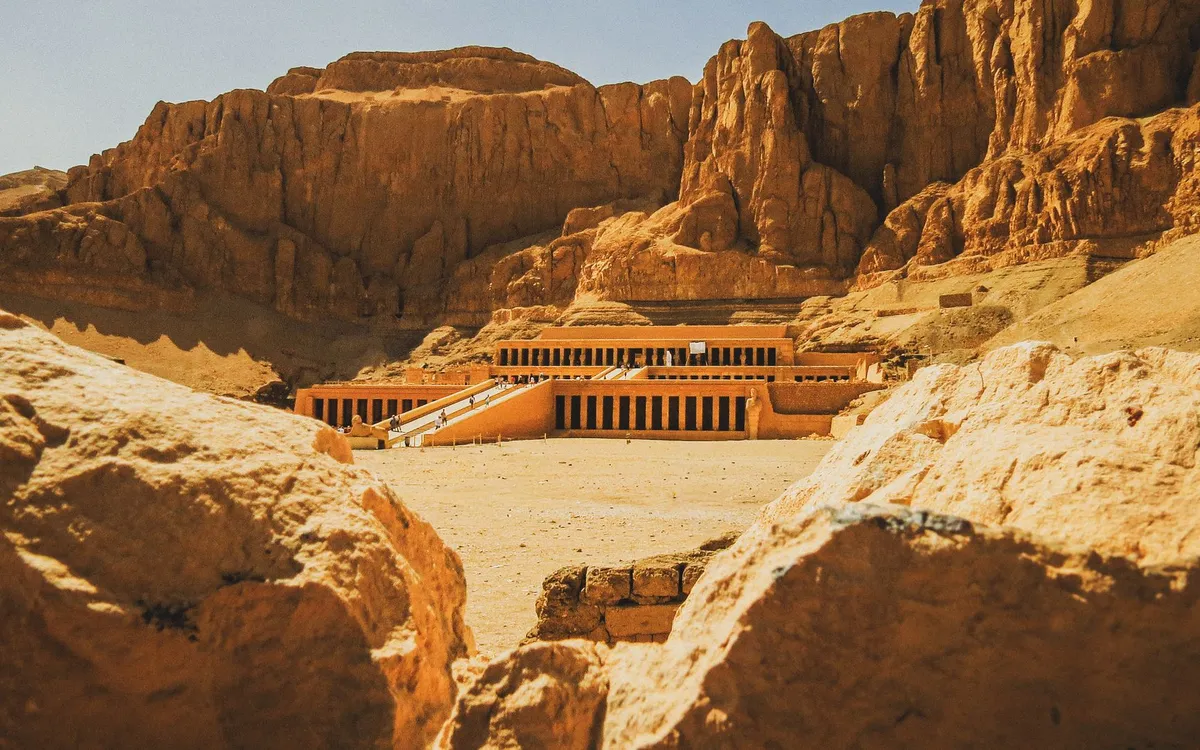
The Valley of the Kings, on Luxor’s west bank, holds the rock-cut tombs of New Kingdom pharaohs — corridors and chambers covered in vivid painted scenes from the afterlife. Dozens of tombs exist, but only a rotating handful are open at any time. This guide explains the ticket system, which tombs to choose and how to stay comfortable.
How tickets work
The standard entry ticket includes a choice of three tombs from those currently open. A few celebrated tombs — including Tutankhamun, Seti I and Ramesses V/VI — require separate, higher-priced tickets each. Tickets are sold at the visitor centre at the valley entrance.
Buy your entry and any special-tomb tickets before walking in, as you can’t always purchase them deeper inside the site.
Tip: photography is allowed only with a photo permit ticket, bought at the entrance. Without it, leave the camera and phone in your bag — guards do enforce this.
Which tombs to choose
Open tombs rotate to limit wear, so the exact list changes. As a rule of thumb, look for tombs known for the best-preserved colour and decoration:
| Tomb | Why visit | Ticket |
|---|---|---|
| Ramesses V/VI (KV9) | Vivid astronomical ceilings | Separate |
| Seti I (KV17) | Deepest, most finely decorated | Separate (premium) |
| Tutankhamun (KV62) | The boy king’s tomb and mummy | Separate |
| Ramesses III (KV11) | Colourful, well-preserved reliefs | Standard 3-tomb |
| Merenptah (KV8) | Long descent, fine carvings | Standard 3-tomb |
Ask at the gate which tombs are open that day, then mix one or two “wow” tombs with whatever the standard ticket allows.
Visiting Tutankhamun’s tomb
Tutankhamun’s tomb (KV62) is famous as the near-intact royal burial discovered in 1922. It’s small compared to others, and the king’s mummy still rests inside in a climate-controlled case. Many visitors find the story more thrilling than the modest chamber itself — go for the history, and pair it with a larger, more decorated tomb.
Beating heat, crowds and photos
The valley is a baking, shadeless basin. Arrive at opening time for cooler air and thinner crowds; the cruise groups tend to flood in mid-morning. Bring water, a hat and sun protection, and pace yourself between tombs, as the descents and climbs add up.
For photos, the painted ceilings and walls deep inside the tombs are the highlight — a steady hand and the official photo permit matter more than fancy gear, since tripods and flash are not allowed.
To bundle your Valley of the Kings visit with the rest of Luxor’s west bank and arrange a guide, see our plan your trip page. Start early, buy the right tickets up front, and the valley rewards you with some of the finest painted art of the ancient world.
Valley of the Kings Guide: Tickets, Which Tombs and Top Tips
Skip the queues and secure your spot — book your tickets and tours through our trusted partner Tiqets.
Check tickets on TiqetsTickets & activities in Luxor
Some links on EgyptInterActive are affiliate links: if you book through them we may earn a commission, at no extra cost to you. It never changes our recommendations.
Keep reading
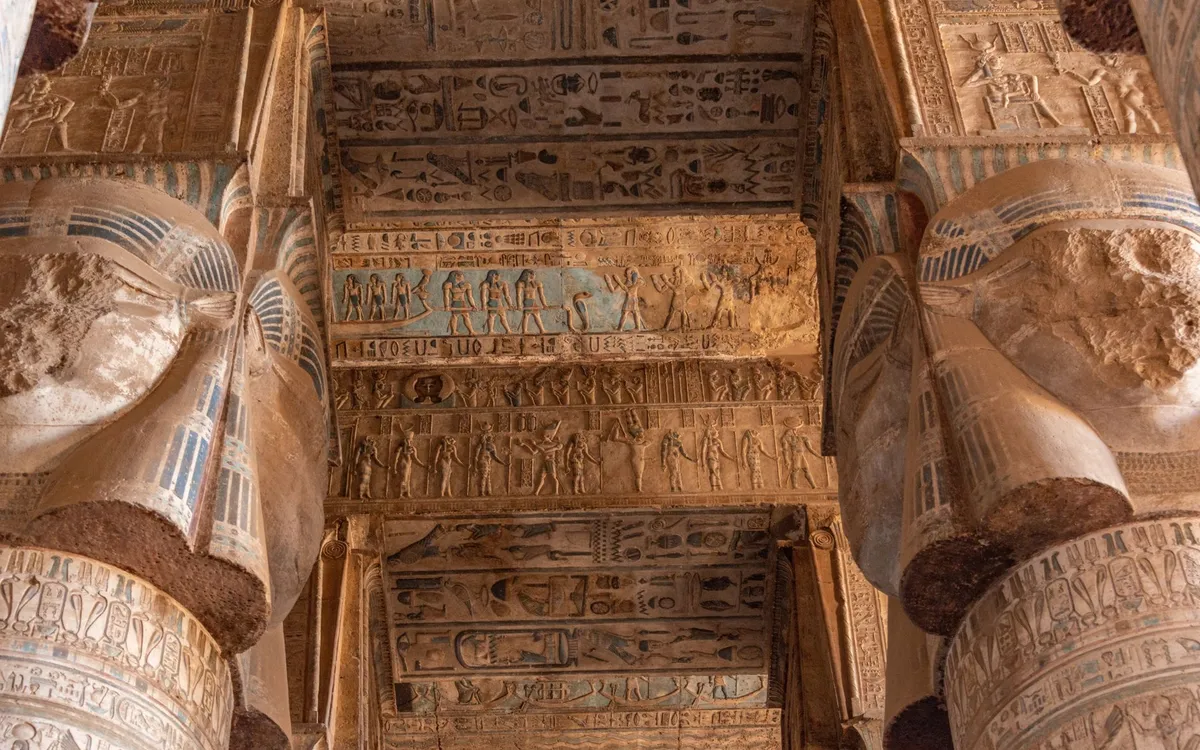
Dendera Temple Guide: Hathor's Temple and Its Painted Ceiling
Dendera dazzles with restored colour and a star-painted ceiling — one of Egypt's most complete temples, dedicated to the goddess Hathor.
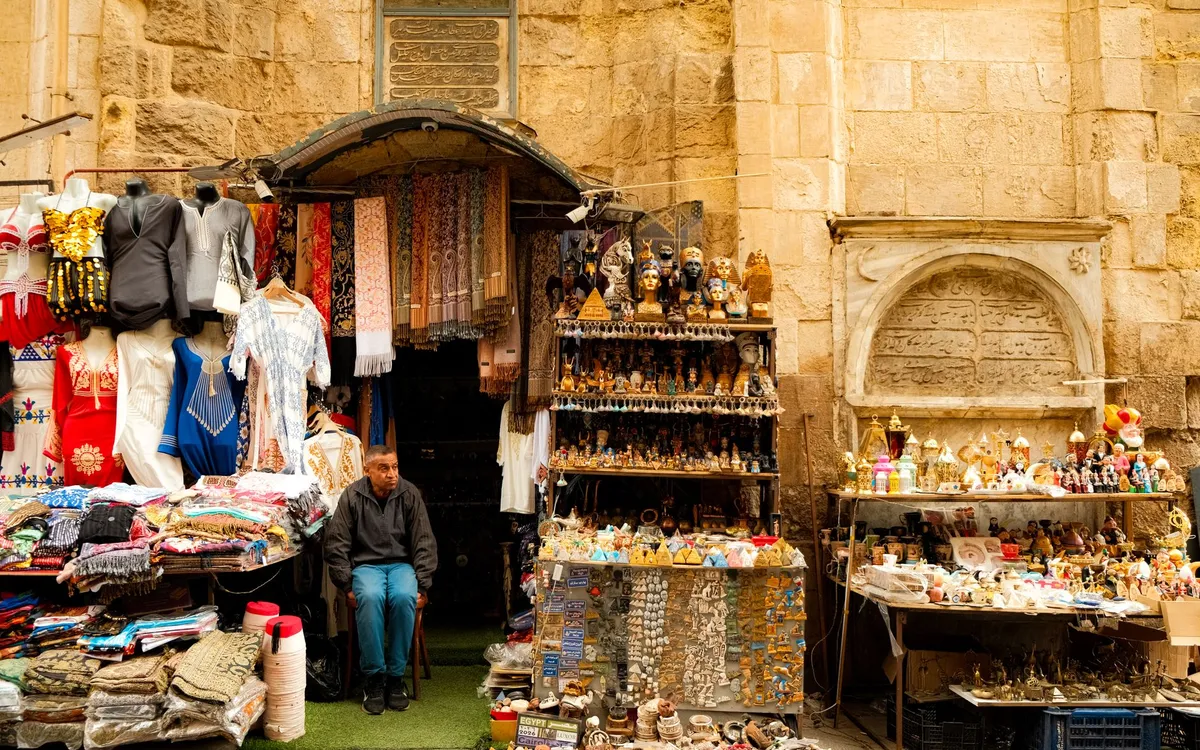
Khan el-Khalili Guide: Cairo's Historic Bazaar and How to Visit
Khan el-Khalili is Cairo's great medieval bazaar — a labyrinth of lantern-lit alleys, craftsmen, spice stalls and the legendary El Fishawy café.
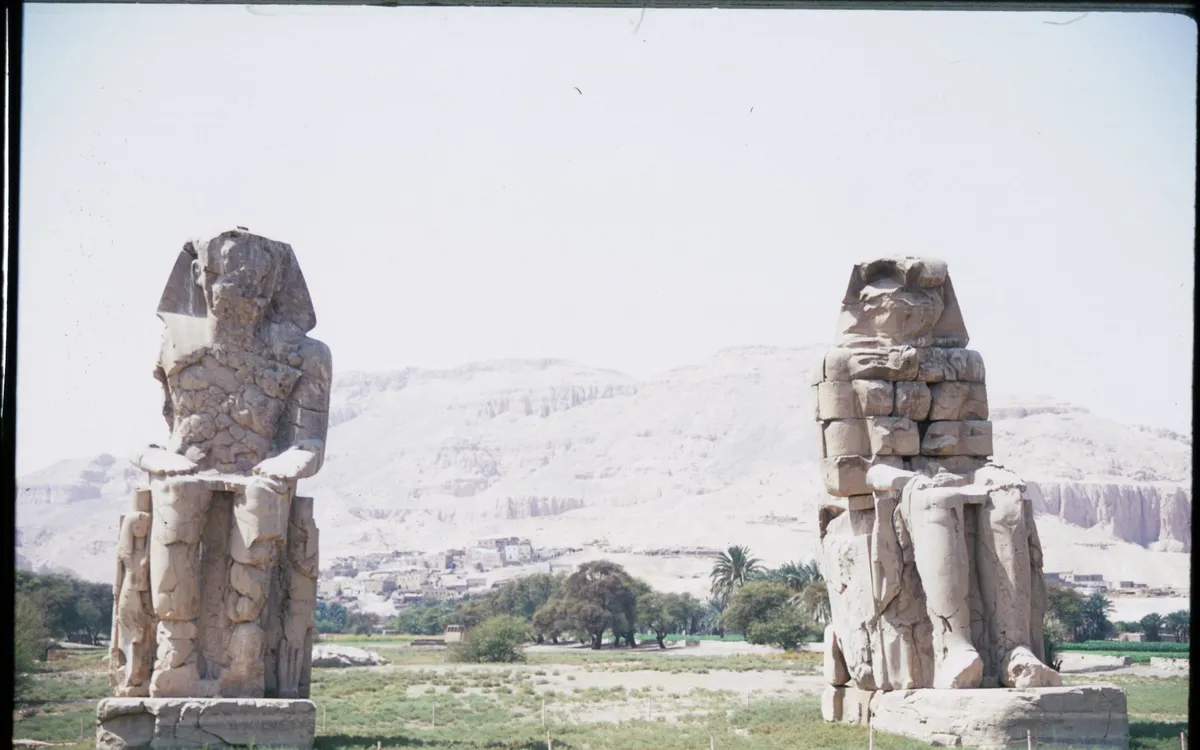
Colossi of Memnon Guide: Luxor's Twin Giants on the West Bank
Two colossal statues of Amenhotep III guard the road to Luxor's West Bank — a free, dramatic first stop on any tombs-and-temples day.